The smart buyer's guide to... rosé Champagne
Rosé Champagne is often bottled in clear glass, but bottles that sit on brightly lit shelves or in windows are vulnerable to ‘light strike’, a fault that gives wine an unappealing vegetal, savoury flavour.
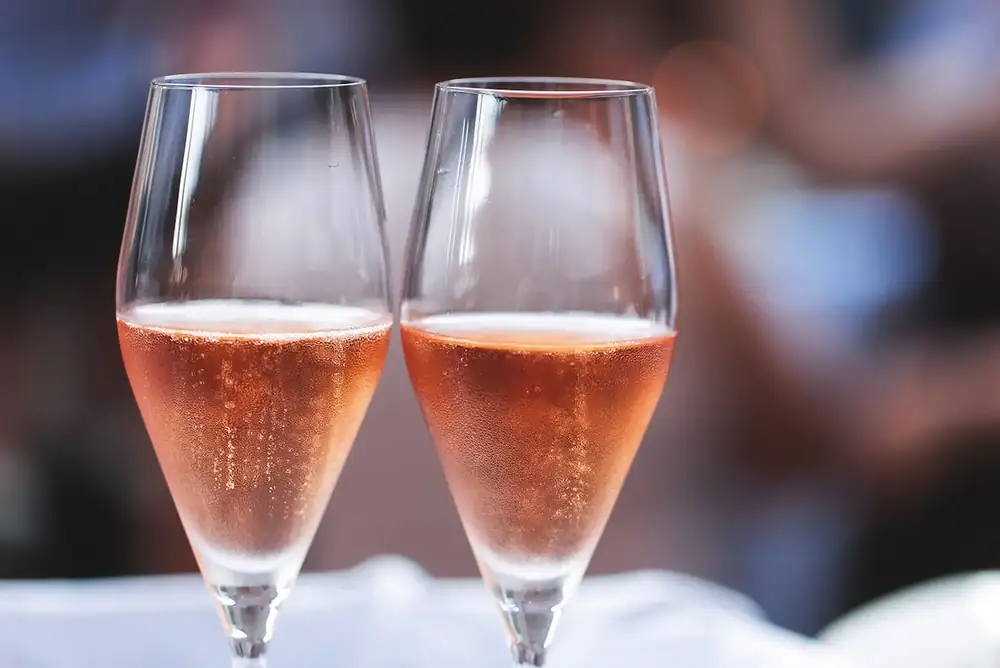
The red wine factor Most rosé Champagne is made by the ‘assemblage’ method, with red wine from Pinot Noir added at the blending stage. Going to The amount of red wine, is the principal factor in how deep the style is; Taittinger and Ruinart, for example (with at least 15% red wine), are deeper and fruitier than Bollinger or Charles Heidsieck (below 10%).
Upping the intensity Less common are ‘macération’ or ‘saignée’ styles, which are made by extracting colour directly from Pinot Noir or Meunier grapes at crop time. Wines labelled ‘saignée’ tend to be darker and more intense. Pink for white lovers If you enjoy the blanc de blancs style of Champagne (made from the Chardonnay grape), there may well be a rosé for you – growers such as Ayala make delicate, citrussy rosés with more Chardonnay than Pinot in the blend.
Cellarworthy styles Just because it’s pink doesn’t mean it won’t age. Vintage and prestige rosés can be just as ageworthy as the white versions; try cellaring them for at least three years after release to bring out delicious spicy, dried fruit complexity.
Related articles A tasting a century in the making – trying a 100 year-old Champagne Planning an overnight trip in Champagne? Here’s how to do it in style Why is Tattinger’s Comtes de Champagne Rosé 2012 so good?
- Who: Champagne · Pinot Noir · Rosé Champagne
- Percentages: 15% · 10%
- Figures: 15% · 10%