Consumers are spending more on beef, and eating it less
The Technomic Top 500: Another tough year for chain restaurants Top 500 chain restaurant sales slowed again in 2025 as consumers cut back on dining, but sectors like coffee, beverages and snacks and chicken thrived
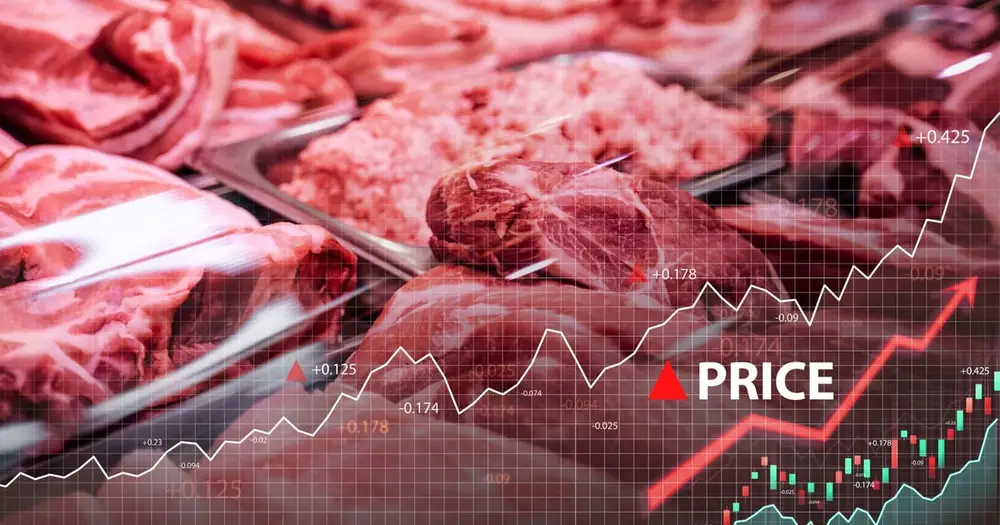
Consumers are spending more of their money on beef. But that doesn’t mean they’re actually eating it more often.
Beef prices have risen 25% since 2023, according to the data firm Numerator. That is four times the price increases for poultry or pork products, according to the firm.
Those price increases, unsurprisingly, mean consumers are spending more on beef than they have in years. Beef accounts for 56% of sales generated by the three biggest protein products, poultry, beef, and pork. That is a percentage point higher than a year ago and the highest amount since 2019.
One point is worth about $1 billion, according to Numerator. And yet, all of that is coming from higher prices.
The actual “unit share,” or the amount of beef that is actually purchased, has fallen by 0.8 points over that same period. So consumers are spending more on beef but buying less of it.
The higher cost for beef has erased a pricing advantage such products had at fast-food restaurants. Prices for burgers and other beef sandwiches have increased 28% at fast-food restaurants since 2023, according to Numerator, to $6.70 per item.
Chicken prices, on the other hand, have increased 12% over that same time period, to $6.80. Beef prices have put a lot of pressure on fast-food and other chains, by increasing the cost of ground beef, steak, and other products amid an ongoing discount war. Higher beef prices have eaten into profitability at chains like McDonald’s, Burger King, Texas Roadhouse, and others.
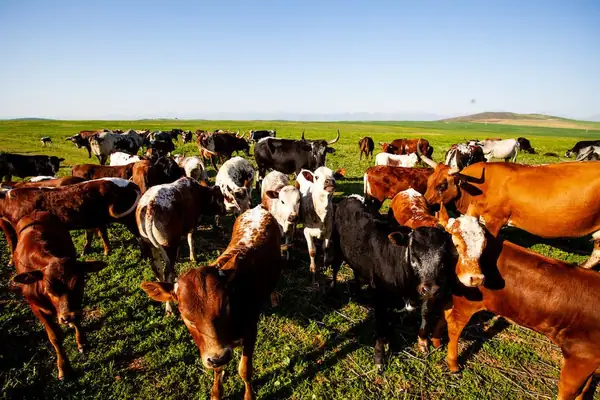
Beef costs have increased because the U.S. cattle herd is at multi-decade lows, thanks to labor shortages, grain costs, and a lack of good grazing land. But there are some expectations that the cost of beef has hit peak and should ease next year.
- Who: Beef · Consumers
- Money: $1 billion · $6.70 · $6.80.
- Percentages: 25% · 56% · 28% · 12%
- Figures: 25% · 56% · 1 billion · 28%