Terra Bioindustries builds circular economy with upcycled ‘spent grain sugars’ and proteins
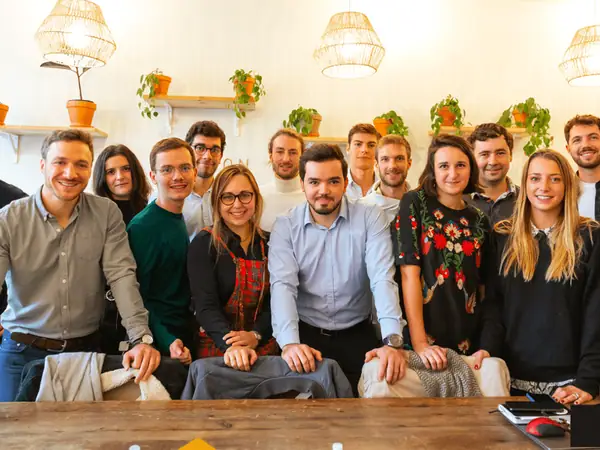
Toronto, Canada-based startup Terra Bioindustries is raising a seed round to support small-scale commercial production of a mild-tasting barley protein concentrate and fermentable sugars from upcycled spent grains. Terra Bioindustries cofounders Ricardo Martinez (left) and Steve George (right).

“Today around 70% of spent grain goes to animal feed, 20% goes to landfill, around 9% goes to composting, and less than 1% is alternate use [such as upcycling it into value-added products for human food],”
We’ve sent this to multiple precision fermentation companies that ferment algae, fungi and yeast, and they have all come back with positive results. They say this behaves exactly the same as glucose, providing the same expansion and the same quality of the end product. “The other market we’re targeting for the sugars is actually food.
Two years later George and Martinez Villegas decided to ditch the algae and focus on the grains. “We spoke to some mentors about the algae. They said it’s a really cool idea, but your value chain is too big and you’re not going to make it as a business.” Their focus then shifted to extracting proteins for food applications, and sugars as feedstocks for the precision fermentation trade. He adds: “ We received about $300,000 in Canadian administration backing and w e were able to access a fractional [outsourced] CFO through a Toronto based program called Latam Start-ups.
If you adequately upcycled this waste, the potential is hundreds of millions of tons of products you could put back into the economy.”
- Who: Terra Bioindustries · Terra · Steve George
- Money: $300,000 · $5 million
- Percentages: 70% · 20% · 9% · 1%
- Figures: 70% · 20% · 9% · 1%