04 September 2026 · Vol. XXXVIII · № 13.760 Get the letterSearchSaved
THE APEXGASTRONOMY CHRONICLE
Food TradeField & SeaDiningKitchenDrinksWellbeingWorld MapsBest OfRecipesMarkets
LATEST
Reverse Ramen: Frozen Broth Shavings Over Hot NoodlesAmberjack sashimi, ham, figs and myrtle sauceChagee enters matcha scene through 'The Little Prince' collabI tested ginger nut biscuits from Aldi, M&S and moreSumitaba Japanese Kitchen reopens in Taman Desa, showcasing ‘live unagi’ and grilled itemsThe rise of the ‘fridge red’: Three red wines perfect for chilling (from $28)Popular fried chicken restaurant opens new spot in a prime location in CalgaryThe Best Types of Apples for Baking Apple PieSkip happy hour. These cocktail-inspired pizzas bring the bar to your kitchenThe orange juices of New Zealand supermarkets, ranked from worst to bestMake Southern Italy's Unique Iced Coffee With This Special IngredientKing Ranch Chicken
Dining

What’s the Difference Between Fruits and Vegetables?

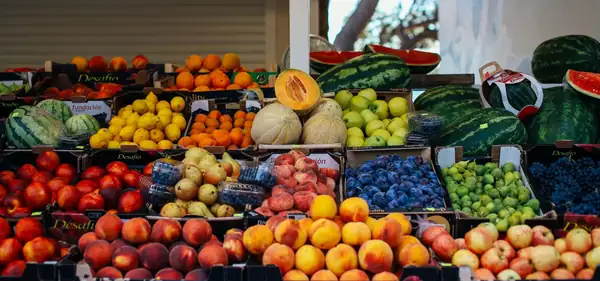
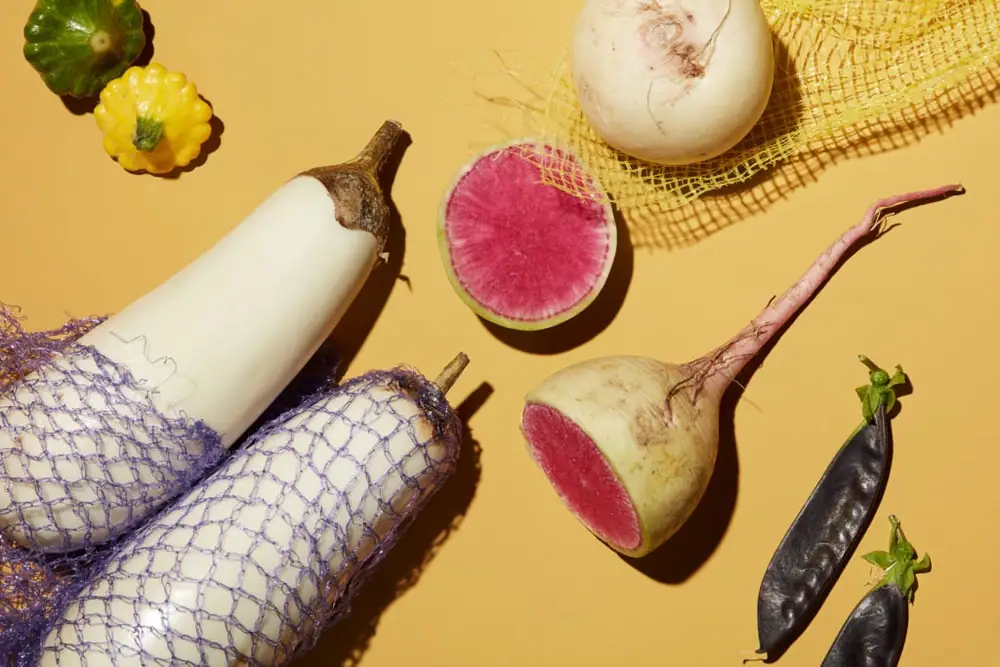
Tomatoes, eggplants, and pumpkins are all fruits. Here’s a partial list of common vegetables that are actually fruits.
What’s the Difference Between Fruits and Vegetables?

Even peanuts, beans, and walnuts are technically fruits, as they all fall under the botanical definition of being the edible, seed-bearing ovary part of a plant. (Yes, fruits are ovaries, sorry.) Vegetables, by contrast, don’t really have a scientific definition. Historically they’re usually defined as edible not-fruit parts of a plant, such as green leaves (romaine. Cabbage), flower buds (cauliflower and capers), bulbs (garlic and onions), or roots (carrots and potatoes).

Many of those vegetables are instead categorized as the equally hand-wavey term ‘starch,’ but they’re as much one as the other, by which we mean neither category has much botanical rigor behind it. Also read: When Is It Okay to Cook With Frozen Vegetables?

It’s in addition free to add to your Alexa flash briefings.

Key facts
  • Who: Vegetables

More Dining