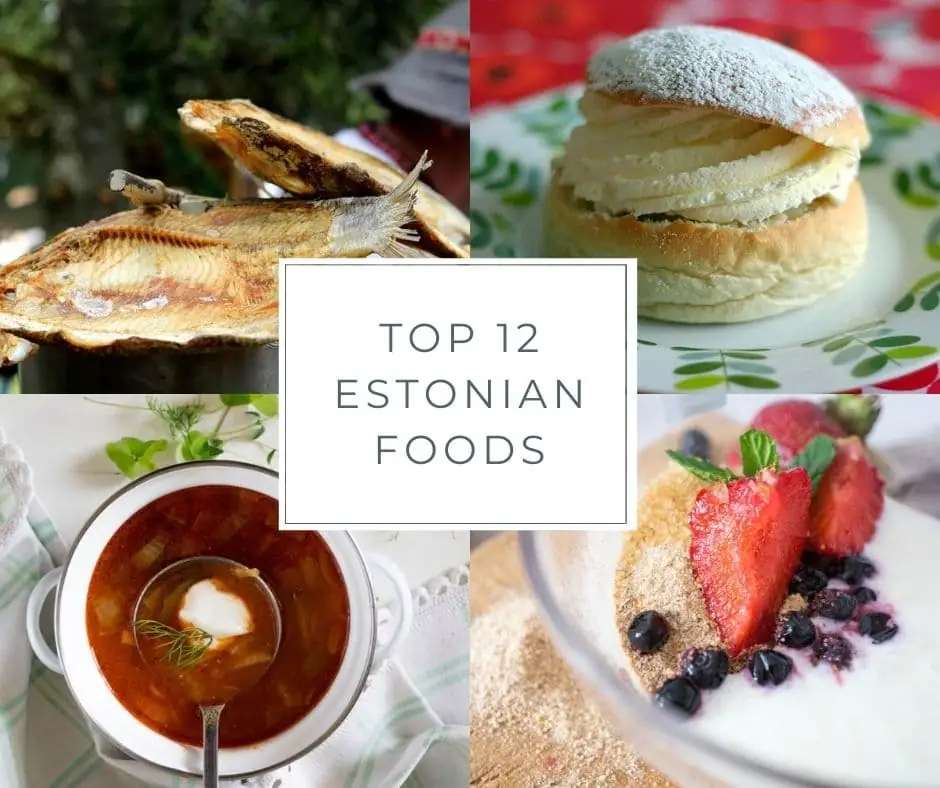
Top 10 Estonian Foods That You Need to Try Out on Your Next Trip to Tallinn
Considered a local super-food, the versatile buckwheat thrives on Estonians’ plates, here being more than just a rather boring grain tossed around in porridge.
The locals give plenty of credit to this super-food grain, whether preparing it as a main dish – a creamy “risotto” with vegetables – or as something sweet – a delicious fruit and buckwheat crumble, for instance. Or you can have it in the form of a healthy milkshake with berries and spices, as recommended by Estonian chef, Ranno Paukson , from Kaks Kokka and Ö in the capital, Tallinn.
With a keen eye for art and the taste buds of a true foodie, Felicia has always been in love with the luxurious side of life: from designer-signed items, trendy and classical restaurants, to state of the art fragrances and fabulous getaways. A freelance writer ‘by trade’, her background lies in publishing, being now one of our contributors.
Dark Rye Bread
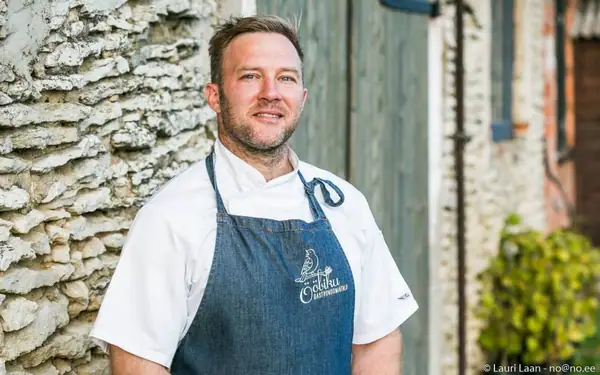
Home baked or acquired at your favorite bakery, this famous traditional Estonian bread is present on every table, being a quintessential part of the Estonian culinary tradition, going to Chef Ants Uustalu from Ööbiku Gastronomy Farm . It is also an ode to slow preparation. The components are kept simple – rye flour, water, salt, sugar, and yeast, though added components can be used such as seeds and nuts, dried tomatoes or other fruits, garlic (or pretty much anything for that matter). The end result, slightly moist and a bit sweet, in addition known as black bread or leib in Estonian, is a piece of bakery that keeps the heart merry and the belly full. If you don’t find yourself traveling to Estonia soon, you could always try baking it yourself. The final product will be totally worth the effort – and it will be a big one as this local speciality takes no less than 12 hours to prepare. Locals
Kiluvõileib – Sprat Sandwich
A dish of bread and fish that varies a lot in the North, the Estonian Sprat Sandwich is popular in Slavic cuisines, being a natural culinary emanation of a country bordered by so much sea. It may not be a beautiful dish, but it’s very tasty and taken damned seriously by Estonians. Kiluvõileib is served for every occasion, from less formal gatherings to birthdays, holidays, weddings, and funerals, and always indulged in with the same pleasure. For this simple dish you need a good quality marinated sprat fillet, a slice of dark bread (see above), butter or a mayo-like sauce, a boiled or poached egg, maybe topped with some aromatic herbs and… voilà your new favorite sandwich!
Mulgipuder – Potato and Groats Porridge
This is a 100% Estonian dish. The locals claim this is a classic of Estonian peasant culinary creativity with no foreign influence, and was served as a part of their key holidays menu. This potato and groats mash – one of Chef Silver Saa ‘s favorites of traditional Estonian cuisine – comes from South Estonia and was traditionally placed on the stove in the morning and left to simmer throughout the day for when the peasants returned home from working the fields. It can definitely be prepared quicker now and it only has two basic ingredients: potatoes and groats, for the vegan version, or you can try the authentic Estonian version by preparation it with lard, fermented/sour milk, and some pieces of fried onions and bacon. Don’t forget the pickles! Yum!
Kama Desserts
Another Estonian mixture, Kama or kama flour or, even better, “Estonian muesli”, is one of the “foods of the region”, as you can as well find it in Finland and Russia . Historically a non-perishable and easy-to-carry food, kama is a finely milled flour that was initially mixed with butter or lard for a quick but fulfilling snack. Being already roasted, kama doesn’t need any further baking. Kama is technically not a dessert, but a main ingredient in many puddings, and the local chefs incorporate it into many of their trade-marked sweet dishes. Nowadays Estonians use it for lots of things: salty snacks, cakes and other types of desserts, or simply add sour milk or yogurt, plus sugar, giving the base for what can easily become the famous “Estonian Muesli”.
Smoked Fish
As a people with the Baltic Sea for a neighbor, the Estonians have an unconcealed passion for fish, preparing it in many delicious ways. But they are masters in smoking and marinading it, two effective methods of preservation. Smoked sprats, herring, salmon… Estonians enjoy these delicacies especially during the summertime, when they often buy their smoked fish from turg (local outdoor markets). It’s not dear and the buyers know exactly where the smoky-flavored merchandise comes from – the nearby sea. On a more fancy note, you could try lightly pine-smoked wild salmon with roe, tarragon cream, and apple cider jelly – aka Chef Vladislav Djatsuk’s posh version of it and signature dish at Mon Repos or Tchaikovsky in Tallinn.
Vastlakukkel – Semla
The love child of a bread bun and whipped cream, this dessert is also shared by various other northern countries. The Estonian sweet-roll, cut in the middle and filled first with some almond paste and then with plenty of whipped cream, is called “ vastlakukkel ” and it is most often served around February and March for the celebration of “Vastlapäev”. This celebration, called “Shrove Tuesday” in English, is a day when Estonians go sledging and then go home to enjoy this delicious piece of pastry. And while not all Estonians go outside for the traditional sledging anymore, all of them will have one or more selma on the day. Fortunately, you can now find “ vastlakukkel ” at most of the Estonian bakeries all year round. Editor’s Note: Semla is also a very popular dessert in Sweden and other Nordic counties.
Craft Beer
In recent years the craft beer scene in Estonia has exploded. Estonian breweries are quickly setting themselves apart on the international stage due to their high-quality products and modern approach to traditional, Estonian flavors. Raise a glass and say Terviseks (cheers)!. And if you like, make a bar-themed bath. Estonians have been using natural local ingredients in health and wellness therapies for centuries and modern spas still follow the same principles. Brewing in Estonia dates back thousands of years to when barley, wheat and rye were largely cultivated. The Organic Spa Harmoonikum, the first BEER SPA in Estonia, features wood-burning steam saunas and craft beer baths. The natural extracts used to brew beer – selected varieties of hops, yeast and malt – stimulate the metabolism, help remove toxins and ease fatigue and stress.
Marzipan
First used for its medicinal qualities, Estonian marzipan tradition goes back centuries and there are a number of local legends and tales surrounding the tasty treat. Marzipan is indeed one of the oldest sweets made in Estonia, and while its sugar contents are definitely high, it is believed to have some healing properties. A sweet made of almonds and powdered sugar, was savored all the way back in medieval Estonia. Although two former Hanseatic cities – Lübeck, Germany and Tallinn – claim to be the birthplace of this treat, Tallinn has written records showing it was on sale in 1695 at the Town Hall Pharmacy.
Beetroot Salad
Estonians love beetroot and a good helping of Rosolje will make you love it, too. This crimson colored dish is a beetroot, potatoes, and herring salad, perfect for the cold season or for whenever you feel like it. Add to the mix some boiled eggs, onions, pickles (of course!), some mayonnaise, mustard, sour cream… and you have one yummy starter at a party, or a meal in itself, if you like, for rosolje is hearty enough, and popular amongst the locals for that matter. Or you can try the modern version of cookery beetroot, namely that of Chef Silver Saa : beetroot tartar, with wild garlic, shiso and cured egg yolk at ORE restaurant, in Tallinn.
Buckwheat
Considered a local super-food, the versatile buckwheat thrives on Estonians’ plates, here being more than just a rather boring grain tossed around in porridge. The locals give plenty of credit to this super-food grain, whether preparing it as a main dish – a creamy “risotto” with vegetables – or as something sweet – a delicious fruit and buckwheat crumble, for instance. Or you can have it in the form of a healthy milkshake with berries and spices, as recommended by Estonian chef, Ranno Paukson , from Kaks Kokka and Ö in the capital, Tallinn. Related: 17 Popular Estonian Desserts & Sweets Related: Famous Lithuanian Foods Related: Popular Latvian Foods