The Vegetable Shop Around the Corner
A tour of New York City produce marketplaces reveals the connective tissue for a city of 8 million home cooks. Less talked about, but no less weighty to our daily lives, are New York’s neighborhood fruit and vegetable shops, beckoning with their fluorescent glow and neatly stacked piles of colorful produce–bright orang…
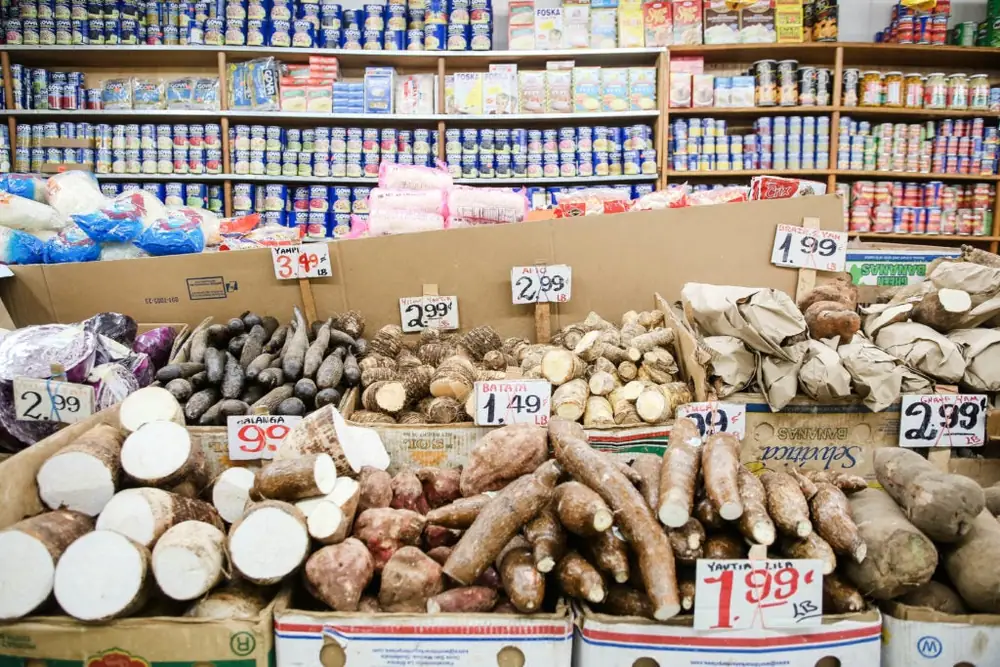
“I know what the customers need here; I know what they want. There are some customers who come in who say they remember my father. It’s a mainstay in the community.”
These markets often sell items representative of the neighborhood, but most small grocers in NYC are actually Korean-owned. After the Immigration and Nationality Act of 1965, many South Koreans emigrated to the U.S. and seized on the opportunity to open greengrocers and fish markets (stores with relatively low overhead costs) in neighborhoods without much access to fresh food.
With produce and shoppers as diverse as the city itself, neighborhood greengrocers tell the stories of the food and people that make up New York. But owner Seuk Hokand doesn’t see the artisanal grocer as competition; he says Union Market draws the shoppers to Court, and they end up coming to shop at his store, too.
Hiding in the back corner of the coolers sit 32-ounce jars of kimchi, which Seuk’s family makes fresh on Sundays and divests for $6.99 per jar. Yvonne, who eased to give her last name, has operated two street carts for 23 years with her brother.
The stands are open as long as it isn’t too cold–even in the rain, with an umbrella and plastic tarps keeping the fruit dry. She says over the years the community has changed and her “customer has moved out.” Durian NYC, Chinatown, Manhattan Durian NYC on Bowery and Grand in Manhattan’s expansive Chinatown specializes in Thai and Malaysian durian, soursop, and other seasonal tropical fruits.
Durian fruits are large, about the size of a cantaloupe, and range from $4 to $18 per pound. Fresh Kim Market, East Harlem, Manhattan George Kim, second-generation owner of Fresh Kim Market in East Harlem, emerges from the back of the store after doing inventory. “The store was my father’s originally, about 40 years ago,” he recalls. “As a little kid I was running around this place.
After 10 years working in the grocery business, they began opening shops of their own in 2007. Per to A new employee, who eased to give his name,, shoppers come as the quotations are low, but they keep coming back because of the customer service.
On a typical weekend day, it seems like the whole neighborhood makes a visit to the juice bar–Africans from the Masjid Al Ihsaan mosque next door are in line behind new parents with strollers and kids in tow. Markets on 37th Street, Jackson Heights, Queens Jackson Heights is one of America’s most diverse neighborhoods, home to active communities of South American, South Asian, and, more of late, Mexican immigrants.
Subzi Mandi (which translates to “produce market” in Hindi), owned by Queens resident Mina Reja, has one location in Jackson Heights and one in New Jersey. Open 24/7, Subzi Mandi’s narrow aisles are crowded, and the lines are long. Samantha was born in Bangladesh and now lives in Bay Ridge, Brooklyn, but she still drives 15 miles with her family to shop at Subzi Mandi for bulk spices, root vegetables, squash, and chiles, all at affordable quotations.
Carib Market, Bed Stuy, Brooklyn Hannah (who eased to give her last name), a Filipina. 12-year veteran cashier of Korean produce marketplaces, talks about her experience in between ringing up shoppers at Carib Market in Bed Stuy, asking “Credit or debit?” and punching in rates without skipping a beat. Per to It’s telling that Hannah, she only shops for produce at Carib Market, even though she lives 25 minutes away in Ozone Park, Queens. “I don’t buy fruits from outside–my produce is coming from here.
- Who: Carib Market · South Asian · Subzi Mandi
- Money: $6.99 · $4 · $18
- Figures: 8 million