Spanish Cuisine
Renowned worldwide for its traditional dishes, such as paella, gazpacho, and crema catalana, Spanish cuisine boasts a vast variety of ingredients, traditionally prepared both in home kitchens and in restaurants with great imagination, skill, and expertise.
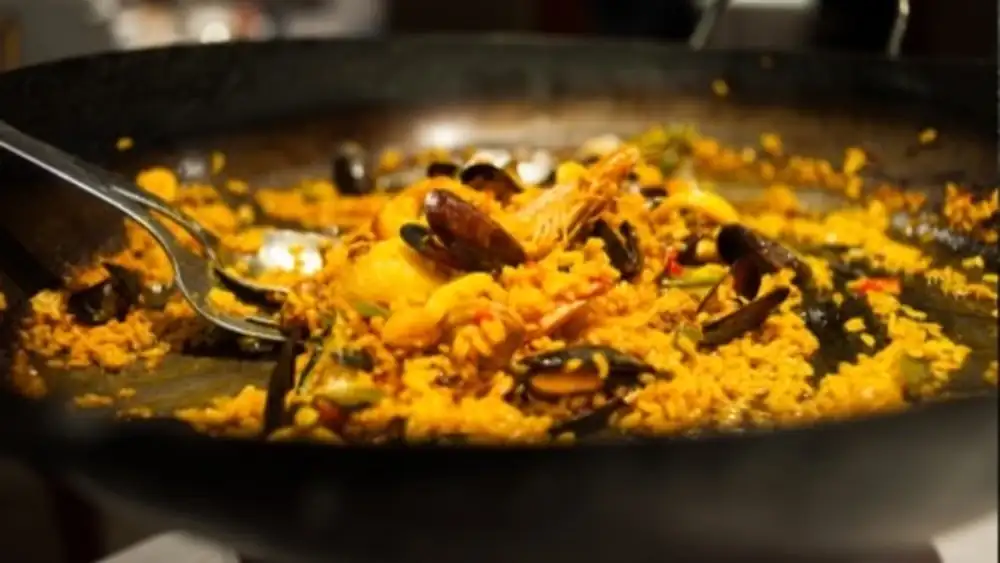
Tomato sauce, for example, which we use today to season so many traditional Mediterranean dishes, originated in Spain—so much so that in the 17th century it was actually called "Spanish sauce"—but it arrived in Italy only two centuries later. Spanish cuisine is characterized by a wide variety of recipes, which differ according to region and local traditions. In coastal areas, such as Catalonia, the Valencian Community, Andalusia, and the Canary Islands, we find a rich and varied cuisine, based on fish and meat dishes. Further inland, however, the gastronomic repertoire is less diverse and primarily characterized by preparations based on pork, lamb, or legumes. Among the most famous traditional dishes are classic and Andalusian gazpacho, Valencian paella, seafood paella, meat paella, potato tortilla, and even Catalan and Galician octopus. And let's not forget the desserts, such as churros for dipping in hot chocolate. Renowned for its intense flavors and colors, Spanish cuisine has been in the global spotlight for over a decade thanks to creative chefs who reinterpret traditional dishes with a modern twist and play innovatively with textures, aromas, flavors, and colors. Some of these chefs, such as Adrià, Arzak, Berasategui, the Roca brothers, Ruscalleda, Santamaría, and Subijana, have also earned multiple Michelin stars over time and today fly the flag of gastronomic Spain.