Tips for Cooking Blue Crab
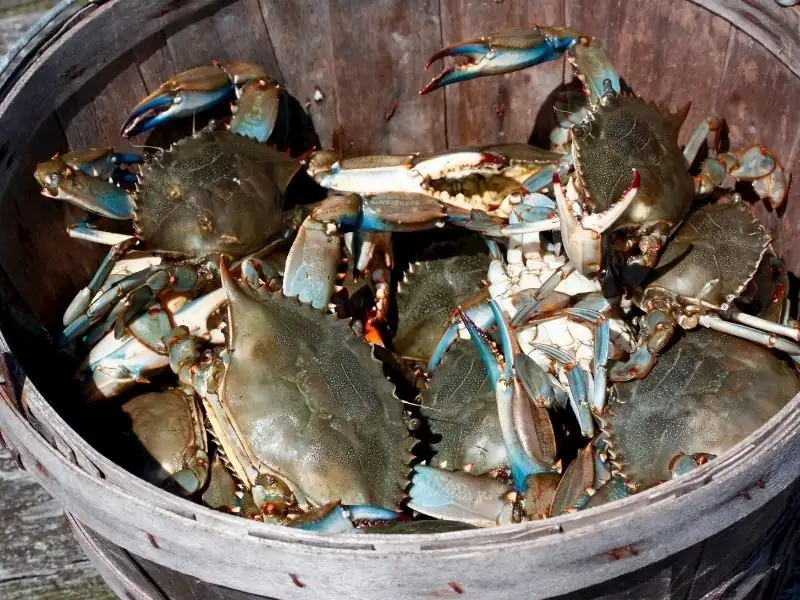
Blue crab is one of the most popular delicacies in coastal towns. Cooking that delicate meat behind its hard shell without drying it out or losing its flavor requires culinary skill. Incorrectly applied heat levels or faulty preparation steps can lead to the crab meat becoming tough and losing its desired aroma.
-
Proper Ingredient Selection and Preparation: At the very beginning of the blue crab cooking process, the freshness and selection of the ingredients, meeting the correct standards, are fundamental elements that directly determine the quality of the flavor. Before cooking, the crabs should be carefully cleaned and washed without damaging the delicate tissue under the shell. This preparation phase is crucial for preserving the natural salt balance from the sea and removing unwanted flavors. Properly cleaned crabs will absorb heat evenly during cooking, achieving the same perfect texture throughout.
-
Cooking Method and Heat Balance: To preserve the delicate and tender texture of crab meat, the heat level during cooking must be carefully controlled. Traditional methods like boiling or steaming allow the meat to infuse without losing its juices and aroma. Since crabs cooked at high heat for extended periods can dry out, careful monitoring of cooking time and the boiling point of the water is crucial. Even heat distribution helps the meat separate easily from the shell and deepens the flavor.
-
Enhance Flavor with Spices and Aromatic Touches: To highlight the naturally sweet flavor of blue crab, aromatic ingredients added to the cooking water or sauce must be carefully selected. Fresh herbs, ingredients with mild acidity, and unique spice blends are key details that enrich the character of the crab meat. Avoiding excessive spice use, so as not to overpower the ingredient's own flavor, is one of the most important rules for master chefs. Properly blended aromas give the dish a truly gourmet identity. This balanced harmony, felt in every bite, captivates everyone who tastes it.