“No, croissants aren’t better this way”: bakers can no longer tolerate this customer demand
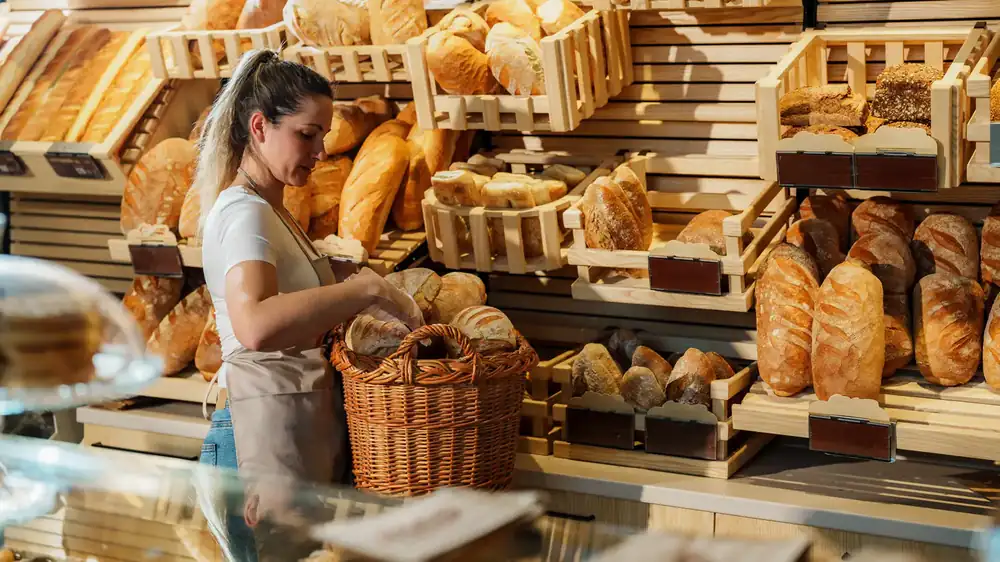
Standing before the shop window, you immediately spot the most golden croissant, convinced you're making the right choice. Yet, its appearance doesn't tell the whole story. Behind that appetizing color, other details deserve your attention before judging the quality of your pastry.
A caramel-colored croissant, a cup of coffee, and there you have it—a pretty good start to the morning. But before demanding the darkest one in the display case, it's best to broaden your criteria. In its sensory glossary of croissants, developed with the International Association of French Bread, Lesaffre distinguishes several elements for evaluation: appearance, aroma, sound, texture, and taste. Surface color is therefore only part of the picture.
A nice tan doesn't tell the whole story
At first glance, the reasoning seems logical: the more golden the croissant, the crispier it promises to be. However, choosing a pastry like you would select the most toasted slice of bread is to rely on a single indicator. A very dark croissant may give the impression of being better baked, but its color alone doesn't allow you to judge its flaky texture.
This doesn't mean you have to give up on brightly colored croissants. If you like how they look, no problem! The real trap is turning your personal preference into a guarantee of quality. There's still a little balancing act to do between what catches the eye and what delights with the first bite.
The layers of the croissant also deserve your attention.
In the document, Nicolas Boussin, Meilleur Ouvrier de France (Best Craftsman of France), reminds us: "The quality criteria are, in general, the honeycomb structure of the crumb and, of course, the crispy layers." In other words, the heart of the croissant also matters. The honeycomb structure refers to the cavities in the crumb: these are revealed when the pastry is opened.
The guide also suggests examining the dough's twists and the separation of the layers. So, instead of just comparing shades of brown, take the time to observe the texture of the puff pastry. The idea, of course, isn't to ask for a cut of each croissant before ordering.
The tasting, the ultimate test
Of course, simply inspecting the product through the glass isn't enough. It's the tasting that will confirm or refute its quality. For example, the crispness should be noticeable to the touch and in the mouth, and indicates the product's freshness.
For your next purchase, remember this shift in perspective: you can ask bakers for a golden croissant because you like it that way, but also examine the layers and reserve your judgment until you taste it. The best product isn't necessarily the one that catches your eye the most.