3 Easy Ways Beginners Can Identify Quality Gin
Gin is an essential spirit, and worth learning to love. So we reached out to two experts, bartender and cocktail educator Tiffanie Barriere, the author of the newly published cocktail book, " Good Spirits: The Joy of Cocktails and the Stories Behind Them ," and Cody Nicoll, a sommelier, mixologist, and the owner of Hospitable Nicoll Inc. , as well as the managing partner of Ember Live Fire Grill a
“Tanqueray No. TEN is always in my world. I love its beautiful citrus, botanicals and structure, especially in a Martini.”
To start Barriere and Nicoll gave us some of their favorite gin brands, which can help you understand what a quality gin will taste like. Barriere says, "Tanqueray No. TEN is always in my world. I love its beautiful citrus, botanicals and structure, especially in a Martini." If you like something a little softer, Barriere recommends Plymouth Gin . If you want something versatile, she tells us, "Fords Gin is wonderfully balanced and incredibly cocktail-friendly," while adding St. George has an especially complex option that can help you appreciate all the different botanical notes gin can have.
Nicoll seconds both Tanqueray No. TEN gin and Plymouth as great places to start, and adds a few options from his native Canada. He tells us, "Empress Gin, produced by Victoria Distillers on Vancouver Island is a personal favourite," and recommends its flavored gins if that is something you are interested in, as well as Spirit of York Distillery, which uses a rye base for more spicy notes.
Check the labels on a gin bottle for quality ingredients
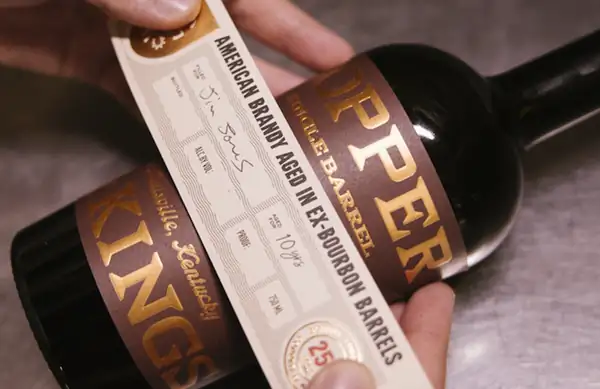
The hints of gin quality are on the label. Barriere notes, "Location is always exciting when choosing a gin, just like anything else you purchase," and local variations in ingredients can be a sign of craft. For starters Barriere says, "wherever it's made, juniper must be present for it to be gin," and that, along with other ingredients, should be clear on the label. The best gins will be open about exactly where they are distilled, not just bottled, how strong they are, and what the flavor profile is. Barriere explains, "Citrus, flowers, herbs, roots, spices. I love seeing ingredients that make my eyes excited before I even open the bottle." However Nicoll notes, "unfortunately labels don't always tell the true story." He explains that many distillers use artificial flavors and colors. Instead he recommends additional research for popular gin brands, saying "c
Sniff your gin to get its aromatic notes
The first place you will really detect a quality gin is the fragrance. And because smell has such a big effect on how we taste, getting a whiff of your gin's aroma before you sip your drink will make the experience that much better. There are quite a few different scents a good gin can have, with Barriere telling us to look out for, "Juniper! Citrus peel, flowers, herbs, spice, roots, even tea depending on the gin." It's actually a good sign if you take a whiff and the glass almost smells like a spice cabinet, as that's a sign of depth and complexity. You can even take note of what jumps out at you more strongly than the piney juniper that forms the backbone, and which are more subtle than the juniper. These won't be the same in every gin, but being able to sense them is good sign of the balance a distiller has achieved. There are red flags as well. Nicoll notes that
Take a sip and pay attention to the full complexity of a gin's tasting notes
Finally it's time to take a drink. So take a whiff, sip, and let the gin fully coat your tongue before swallowing. You can also look out for texture, as some gins will be more crisp, or smooth and oily than others. Pay attention to how the flavors develop on your palette. Not just what you taste when it first hits you, but how the notes reveal themselves and linger at the end. Nicoll tells us, "There aren't necessarily specific aromatic notes that I look for that indicate a good quality gin, primarily because so many different unique botanicals can be used in different variations, depending on the style of gin." London dry, which is the most common style of gin, will have that juniper flavor, along with citrus, and herbs, and finish dry. However newer more modern gin brands often tone down on the juniper and emphasize other botanicals. So what should you look