These are the secrets of a good paella, according to science: thermophysics, evaporation, and enzymatic browning
"What scientific processes are involved in making a good paella? What's behind one of Valencia's most representative products, horchata?
The project brings science closer to the public through foods, products, and dishes closely linked to Valencian gastronomy. The first three installments are dedicated to paella, horchata, and cacau del collaret.
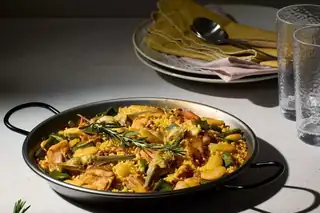
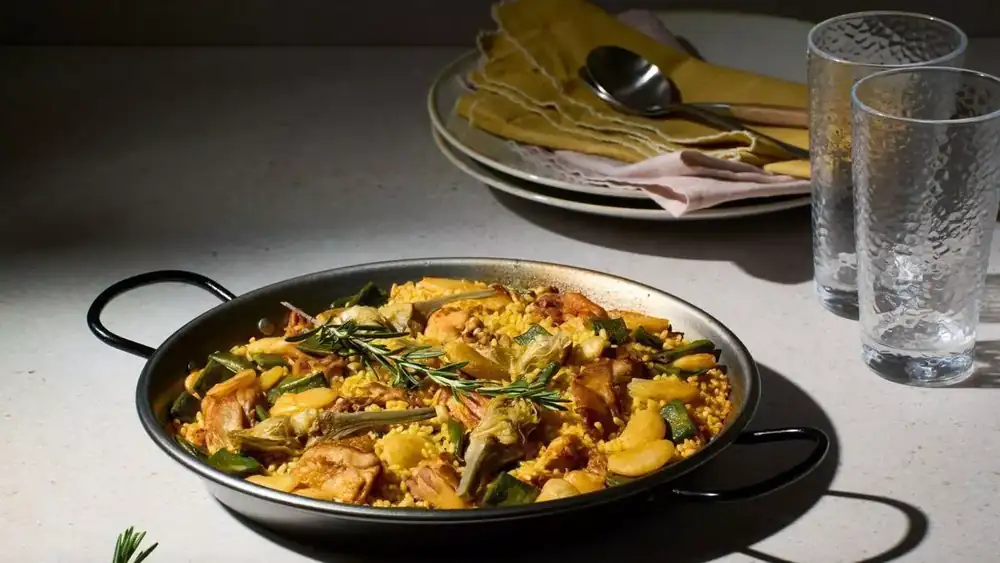
In the first episode, Valencian paella is revealed as not only a dish requiring mastery and experience, but also a true marvel of physics. Behind the perfect cooking of the rice lies science. The secret to the perfect rice lies in the physics of cooking: it is essential to distribute the heat completely evenly across the entire base of the pan and precisely control the rate of broth evaporation, two key factors in ensuring the grain cooks uniformly and the aromas are properly absorbed. But beyond physics, paella holds other secrets, such as the fact that the dish's aromatic and flavor profile resides in the Maillard reactions (or enzymatic browning), a chemical phenomenon triggered during the sofrito and cooking process that transforms simple ingredients into a complex and nuanced array of flavors.
The following chapters will focus on dishes such as 'fideuà', 'rossejat' and puchero and on products such as the purple carrot from Villena, the 'meló d'or' from Ontinyent or the garrofón, among others.
The initiative combines different educational formats. For social media, it includes videos and infographics that explain, in a simple and visual way, some of the scientific phenomena and data related to each product.
This content is disseminated through the UPV and Consum channels; and can be consulted in a specific project list on the UPV Communication Area's YouTube channel.
In addition, the UPV has created a large-format poster with each of the products, which will be distributed to the different bars and restaurants on the campuses of Valencia, Alcoy and Gandia, and which also include a QR code from which you can access all the updated content of 'Un mos de Ciència'.