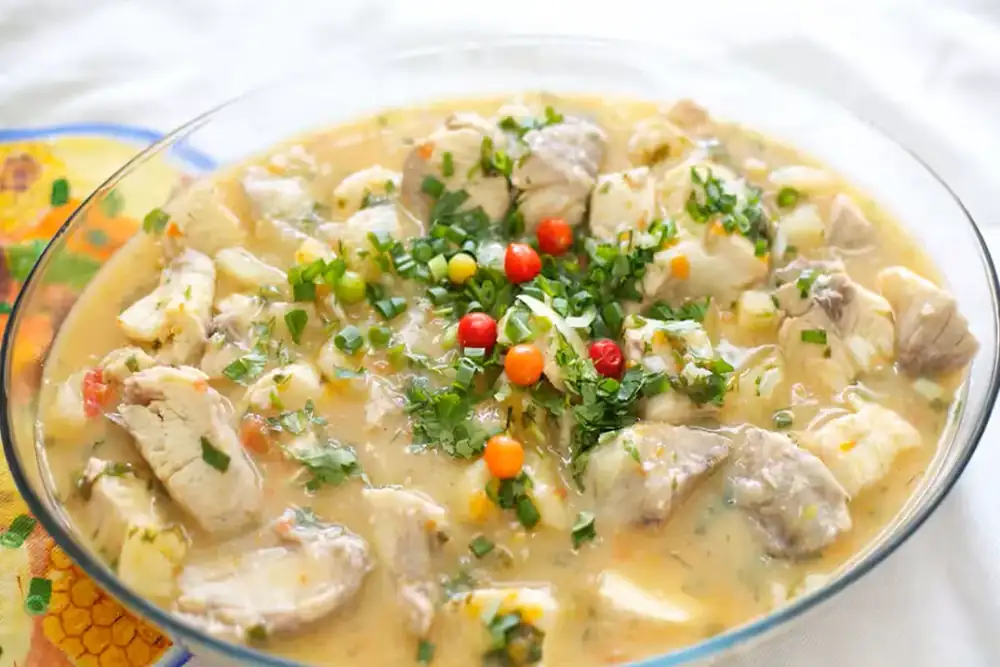
What is pintado fish stew and how do you make it?
Mojica de pintado is a traditional dish from Mato Grosso cuisine, especially popular in the Pantanal region. It combines pintado fish with cassava, the base of the recipe. So, here's how to prepare it.
What is mojica de pintado?
It is a typical dish from the cuisine of Mato Grosso, especially popular in the Pantanal and Cuiabá regions.
This is a creamy stew made with pintado, a freshwater fish from the Paraná River basin, prepared with cassava, regional spices, and other ingredients that give the dish a unique and characteristic flavor.
Its preparation dates back to indigenous traditions and it is one of the most representative recipes of Mato Grosso's cuisine.
Main ingredients of the recipe
Painted
The fish used in the recipe is the pintado, found in the rivers of the Pantanal region. With its firm flesh and delicate flavor, the pintado is ideal for stews, as it absorbs seasonings well and becomes succulent during cooking.
Cassava
Cassava, also known as manioc or yuca, is one of the fundamental ingredients of the recipe. Therefore, it is cooked along with the fish, giving the dish creaminess and an earthy flavor that balances the mildness of the fish.
Tomato, onion and garlic
These ingredients are essential for the stew that forms the base of the mojica. The tomato adds acidity, while the onion and garlic provide a deep, aromatic flavor.
Pepper
Usually red or green, it brings a touch of sweetness and vibrant color to the dish, complementing the other flavors.
Cilantro and scallions
These fresh herbs give the dish a herbal flavor and freshness, and it is served with these condiments at the end.
Oil or olive oil
Used to sauté the seasonings and start the cooking process, oil or olive oil also contributes to the dish's smooth texture.
The recipe is simple, yet rich in flavor, and reflects the tradition of a cuisine that respects local ingredients and the cultural influences of the region.
How to prepare traditional mojica de pintado?
To prepare the traditional version, simply gather the fresh ingredients and follow a step-by-step process that guarantees a succulent and aromatic result.
This recipe is ideal for those who want to savor the rich cuisine of Mato Grosso, with ingredients typical of the region.
Ingredients needed
To prepare mojica, you will need the following ingredients:
- 1 kg of pintado fish (can be in steaks or fillets);
- 500 g of cassava (cut into large pieces);
- 2 chopped tomatoes;
- 1 medium chopped onion;
- 3 cloves of minced garlic;
- 1 chopped green or red bell pepper;
- 1 sprig of fresh cilantro, chopped;
- 1 sprig of chopped green onion;
- 2 tablespoons of olive oil or vegetable oil;
- 1 bay leaf;
- Salt and black pepper to taste;
- Water (enough to cover the ingredients during cooking);
- 1 tablespoon of vinegar (optional, for marinating the fish).
How to prepare step by step
Now that you have all the ingredients, follow these steps to prepare the mojica.
Preparing the fish
If using catfish steaks, remove the bones and cut the fish into pieces approximately 5 cm long. However, if using fillets, cut them into medium strips.
To enhance the flavor, season the fish with a little salt, black pepper, and vinegar (optional). Then, let it marinate for about 15 minutes to fully absorb the seasonings.
Cooking cassava
In a separate pot, place the cassava cut into large pieces. Then, cover with water and cook over medium heat until the cassava is tender (approximately 20 minutes). Afterward, drain and set aside.
After the cassava has cooled slightly, remove the central fibers and cut it into smaller pieces or mash it a little, depending on your preference for a more rustic or creamy texture.
Sautéing the spices
In a large saucepan, add the oil and heat over medium heat. Sauté the onion and garlic until golden brown and fragrant.
Add the chopped bell pepper and tomatoes. Then, sauté for a few more minutes, until the tomatoes release a lot of liquid and form a flavorful sauce.
Add the bay leaf, cilantro, and chopped scallions. Then, adjust the salt and pepper to taste. Let it cook for another 5 minutes, stirring occasionally.
Finishing the dish
Place the seasoned fish in the pan, along with the tomato and bell pepper sauce. Gently mix so that the fish is well coated with the seasonings. Then, add the cooked cassava and mix again.
Add enough water to cover the ingredients in the pot. Then, bring to a boil and cook for about 20 minutes, until the fish is fully cooked and the cassava is well incorporated into the sauce.
Check the flavor and adjust the seasoning if necessary. Serve hot, garnished with more scallions and fresh cilantro.
What are the regional variations of pintado fish stew?
Mojica de pintado is a traditional dish that can be found in different versions, depending on the region.
In Mato Grosso, for example, each city or family may have its own recipe, with variations in seasoning and ingredients, which makes the dish even more interesting and diverse.
Mojica à cuiabana
It is one of the best-known variations of the dish, especially in the city of Cuiabá, the capital of Mato Grosso. In this version, the pintado fish is cooked with typical regional seasonings such as cilantro, garlic, bell pepper, and tomato.
The key difference in this recipe is the use of white rice at the end, mixed with the mojica broth, creating an even creamier and more flavorful texture.
Furthermore, the sauce in Cuiabá-style mojica tends to be thicker, and the cassava is cooked for longer, until it breaks down and is completely incorporated into the broth, making it denser and more flavorful.
Mojica de pintado com leite de coco
In some variations, coconut milk is commonly used, which brings a milder flavor and extra creaminess to the dish.
Coconut milk harmonizes perfectly with the delicate flavor of the fish and, even more, helps to soften strong spices, such as cayenne pepper and cilantro, common in other versions of the recipe.
This version can also include a pinch of saffron or turmeric, giving the dish a golden color and a slightly spicy and sweet flavor.
Mojica de pintado com pimenta e tomate
It's a simpler variation, but equally delicious. Bell peppers and tomatoes are the main ingredients that give flavor and color to the sauce, making it fresher and slightly sweet.
This version is perfect for those who appreciate a dish with more acidity and freshness, since the tomatoes bring a touch of acidity balanced by the mildness of the painted fish.
Bell peppers also add a slight touch of sweetness and crunch to the dish, as well as intensifying the visual experience, making the dish more vibrant.
What else is there to know about pintado fish stew?
So, let's look at the most common questions about this topic.
What ingredients are used in pintado fish stew?
The main ingredients are pintado fish, cassava, tomato, onion, garlic, bell pepper, green onions, annatto, and sometimes coconut milk. Each region or family may have its own variation of the recipe.
What is a painted fish?
The pintado is a freshwater fish very common in the Pantanal and the Paraná River Basin. It is known for its firm flesh, mild flavor, and few bones, making it ideal for stews and moquecas (Brazilian fish stews).
Is pintado fish stew similar to moqueca?
Although both are stewed fish dishes, mojica is different from moqueca. Mojica always includes cooked cassava along with the fish and has a creamier texture, while pintado moqueca is traditionally made with coconut milk and palm oil (in the Bahian version).
Is pintado fish stew spicy?
It can be, depending on the taste of the person preparing it. Some versions add dedo-de-moça or pimenta-de-cheiro peppers to give the dish a special touch.