What to consider when combining sauce with fresh pasta versus dried pasta
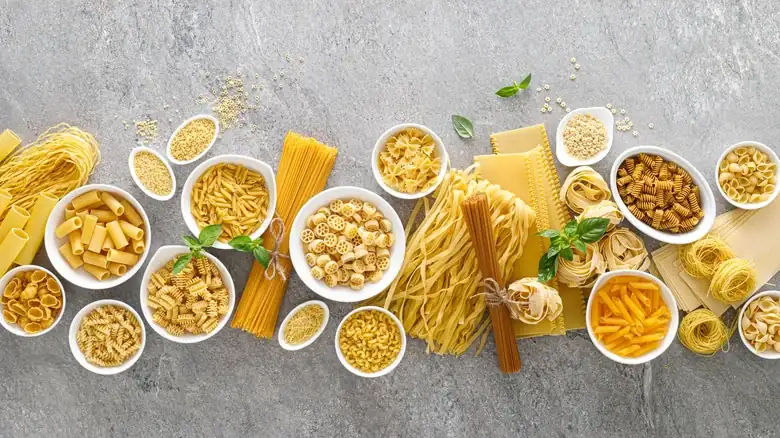
Fresh pasta and dried pasta each have their own advantages, disadvantages, and characteristics, and the main difference lies in which sauces best complement each type.
Fresh pasta, silky smooth, has a more pronounced egg flavor, so it's best to choose a sauce that complements that quality. This could range from a vibrant pesto made with blanched basil to a spicy cacio e pepe or a carbonara with egg yolk. It also pairs well with sage and browned butter, a two-ingredient sauce made with herbs and butter, or creamy classics like Alfredo sauce.
The surface of dried pasta, especially that made with bronze molds, is somewhat rougher. This allows sauces to adhere better to the noodles and prevents them from running off and forming a puddle at the bottom of the plate. Furthermore, the firmer shapes withstand cooking better and can hold thicker sauces, such as Bolognese or a meat ragù.
The choice also depends on the dish. Fresh pasta is ideal for filled dishes, such as ravioli or tortellini, and makes delicious linguine or fettuccine. Dried pasta is the best option for baked dishes or stews, as it withstands longer cooking times without becoming soggy.
Dried pasta also allows for a wider variety of textures. If a softer consistency is desired, it can be cooked beyond the al dente point, allowing for better control over the final result. Fresh pasta, on the other hand, cooks quickly and evenly and, being already quite soft, doesn't reach that al dente point.
Storage also plays a role. Fresh pasta should be refrigerated and is best enjoyed within a few days, while dried pasta, stored in an airtight container and preferably in a cool, dark, and dry place, can last for years. If you're in a hurry, fresh pasta is usually ready in two or three minutes, while dried pasta needs between eight and twelve minutes in boiling water.
Understanding these differences prevents major mistakes when combining sauces with each type of pasta.