
Cinco formas de cocinar pescado de agua salada y salmón según su textura
Según su textura, el pescado de agua salada y el salmón piden métodos distintos, como el horno, el confitado, el vapor, la fritura o el escalfado.
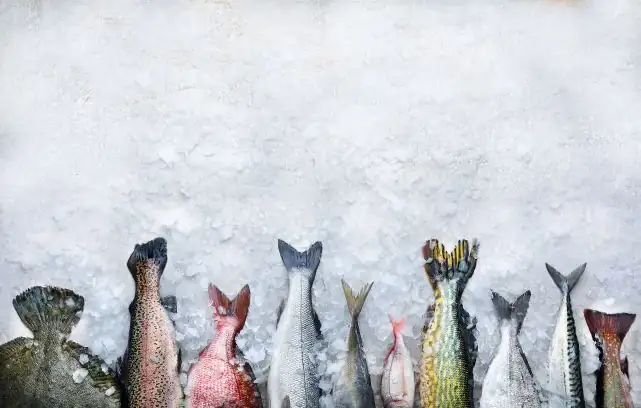
It's best to buy and cook whole fish, as it stays juicier than fillets. If possible, leave the skin on and cook it with the fish, which helps prevent it from drying out. Add enough salt to give it firmness. Don't overcook it: if it gets too hot or is cooked for too long, it will dry out. Confit, poach, smoke, and marinate are gentler alternatives to frying.
Fish like turbot and sole are best cooked whole, skin and bones included: small pieces in a pan and larger pieces in the oven. It's advisable to use a thermometer to ensure the internal temperature reaches around 40 degrees Celsius (104 degrees Fahrenheit), as higher temperatures will overcook them. Breaded and fried fish cutlets with bones are juicier than fillets. Cooking them in a salt crust or on parchment paper is a delicate method, and confit in oil with aromatic herbs also keeps them tender.
Salmon, Arctic char, and trout should remain juicy, so they are cooked briefly at a low temperature. In the oven, they are placed on a baking sheet greased with butter or olive oil, covered with foil, and baked at 50 degrees Celsius for 10 minutes. They can also be fried whole or skin-side down: lightly dredged in flour, the excess shaken off, seared in oil, and then carefully finished in the oven at around 50 degrees Celsius.
Firm fish, such as monkfish, John Dory, or halibut, dry out quickly. It's recommended to confit them skin-on in grapeseed oil, a little olive oil, and aromatics like lime leaves in the oven at 70 or 80 degrees Celsius until the internal temperature reaches about 40 degrees. Another option is to poach them gently in a liquid, such as stock, below boiling point, for about 10 minutes. Cod can also be cooked in a steamer basket or a steam oven for about 10 minutes.
Oily fish, such as sardines and mackerel, can be coated in flour, fried, or grilled. Mackerel cooks too quickly, so confit is a better option.
According to chef Dirk Luther, confit salmon or trout pair perfectly with delicate vegetables such as peas, squash, and fennel. Fried pike-perch, sea bream, and sea bass complement more robust flavors, such as roasted salsify, balsamic lentils, or confit tomatoes and peppers. A flavorful eel can be served with a red wine sauce and dill cream.
To determine if fish is fresh, your sense of smell is the most reliable test: saltwater fish shouldn't smell like fish, but only like seawater. The eyes should be clear, not cloudy, and slightly bulging; the gills red or pink and shiny; and the body firm, without any indentation when you press the fillet with your thumb. It's a good idea to save the bones and leftovers to make stock, frozen.







