What does “Eat lean” mean?
Lent begins after Shrove Tuesday, and in Italy, even today, many use an expression: "Eat lean." This phrase originated in a specific context: the ecclesiastical discipline of fasting and abstinence indicated a regulated, calendar-based, theologically motivated practice. But what does it mean in practical terms?
Where does this tradition come from?
The practice's origins are linked to Lent, the forty-day period preceding Easter in the Christian calendar. The symbolic model is Christ's fast in the desert, as narrated in the Gospels. The renunciation of meat gradually takes on a penitential value: limiting a food considered sumptuous and stimulating means disciplining the body and, by extension, the spirit.
In the Middle Ages, the law became consolidated. Benedictine and later Cistercian monasteries established detailed dietary rules, precisely distinguishing between what was permitted and what was forbidden, including the very concept of what constituted "meat." In many parts of Europe, the meat of quadrupeds was forbidden on lean days, while fish was permitted. This distinction is no coincidence: in the medieval symbolic hierarchy, fish was considered a "cold" food and less exciting than meat, which was considered "hot" according to Galenic dietetics. This step is very important because "abstinence from meat" would also imply abstinence from sexual acts, so "exciting" products would make it harder to resist temptation. In the 7th century, Isidore of Seville explained that meat was not prohibited because it was bad in itself, but because it was associated with the impulses of the flesh, that is, with the sphere of desire. Eating lean food therefore meant exercising self-control.
Abstinence wasn't limited to Lent. Originally, all Fridays of the year and the eves of certain holidays were days of abstinence. The liturgical calendar thus marked the alternation between times of deprivation and times of abundance. Carnival, which preceded Lent, represented the last opportunity to consume fatty foods before the onset of penance.
The severity of the rules varied over time and space. In the Carolingian era, under the reign of Charlemagne, religious prescriptions also had a legal dimension: violation of the precepts could be punished with severe sanctions, including corporal punishment. In the following centuries, while maintaining a rigorous framework, the discipline adapted to local customs and, above all, economic needs.
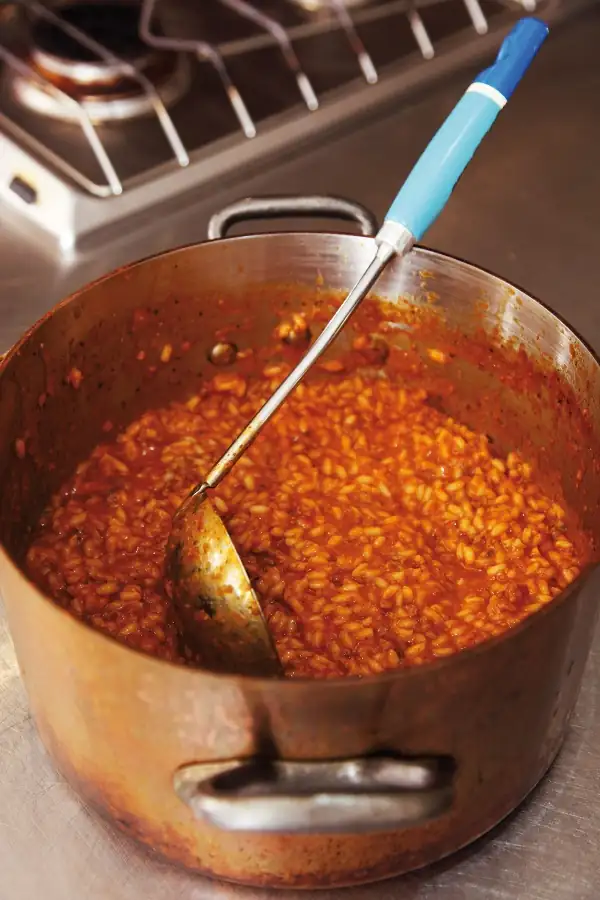
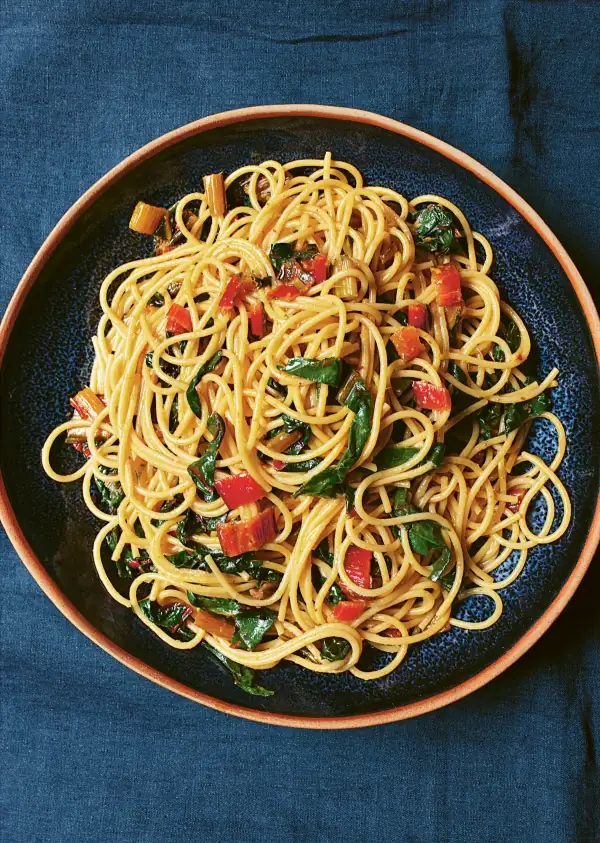
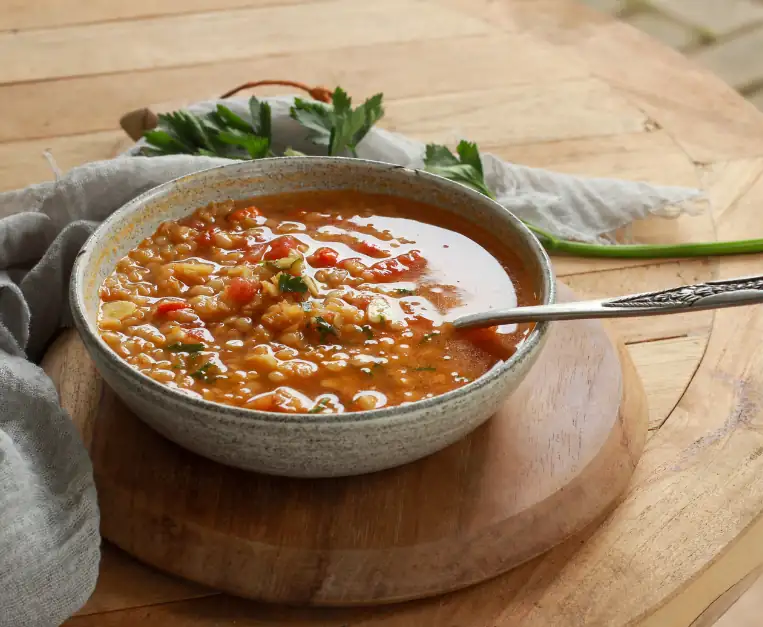
Over time, the distinction between lean and fat also became entrenched in everyday language. Medieval and Renaissance cookbooks mention "lean" and "fat" preparations, adapting ingredients and techniques to the needs of the liturgical calendar. On lean days, legumes, vegetables, grains, oil instead of butter or lard, and, of course, fish, fresh or preserved, were used.
The expression "eating lean" thus comes to encompass an entire culinary repertoire, especially in Italy. In many regions, specific dishes are developed for Christmas Eve and Lent: legume soups, cod or stockfish-based dishes, and pasta dishes seasoned with oil and vegetable ingredients.
It's important to note that "lean" did not necessarily equate to poverty. In some maritime cities, for example, lean banquets could be elaborate and expensive, thanks to the use of prized fish and spices. The distinction was normative and religious, not socioeconomic. A lean meal could be as sumptuous as a fatty one, as long as it respected the permitted food categories.