The real difference between vodka and gin
Although both start from similar fermentations, gin and vodka follow different paths to reach the bottle.
If you visit a gin distillery, the guide will most likely begin with the phrase, "Gin is basically flavored vodka." The description is fairly accurate, but the rest of the tour is spent explaining why the two drinks are so different.
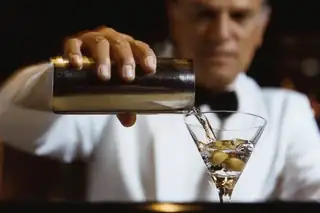
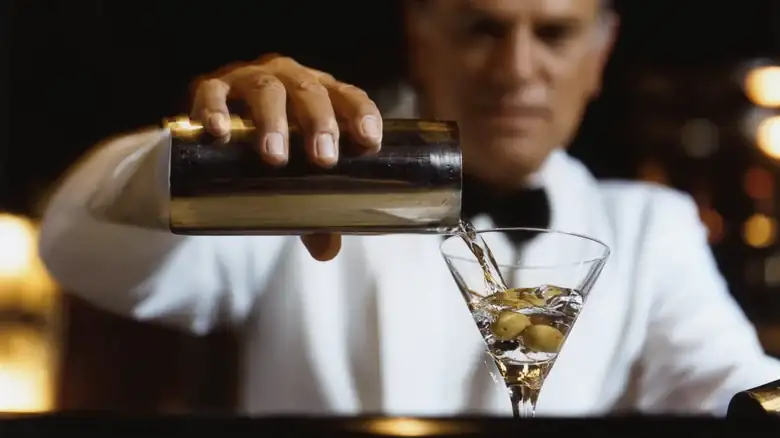
Both vodka and gin are made from a fermented grain or fruit beverage, which is then distilled to obtain a higher-proof, neutral spirit. From there, the differences become clear: gin is defined by its botanicals, while vodka aims for neutrality. Both pair well with tonic and vermouth, and work in a dirty martini, but each has its own reasons for being chosen in a cocktail.
Vodka, for the most part, aims for neutrality. It can be distilled from any fruit, starch, sugar, or grain, and once the appropriate proof is reached, it sees very little use. Although most is distilled from wheat or potatoes, it can also be produced from corn, apples, honey, lactose, quinoa, barley, or grapes. In contrast, bourbon must contain at least 51% corn, be made in the United States, and be aged in barrels, while tequila requires at least 51% blue Weber agave and must be produced in specific states of Mexico.
In the United States, the Alcohol and Tobacco Tax and Trade Bureau (TTB) defines vodka as a neutral spirit with an alcohol content of 95% ABV (approximately 190 proof) or higher, made from any raw material. The ABV can be reduced with water, but not below 80% ABV (40 proof). Its predecessor, the Bureau of Alcohol, Tobacco, and Firearms, described it as lacking "distinctive character, aroma, or flavor," though the standards have since been relaxed. The base ingredients influence the nuances of the "neutral" spirit, as do the distillation methods and the viscosity of the final product, and more and more producers are exploring these characteristics.
Gin is defined by its botanicals. What distinguishes it are seeds, leaves, stems, spices, citrus peels, and practically any ingredient that can be added to a still with high-proof neutral alcohol. The most important is the juniper berry: in London Dry, which can be made anywhere, it should be the dominant aromatic note. Those who don't like that intensity can opt for New Western Dry gins, which tend to be more floral.
After juniper, the most common botanicals include angelica root, orange peel (dried or fresh), coriander, orris root, and anise or another licorice element. Some gins incorporate vine flowers, native plants, and even pepper. The botanicals can be added during fermentation and distilled with the initial mash, or macerated in neutral alcohol for hours or days. Delicate ingredients, such as flowers or cucumber, are placed in a steam basket through which the evaporated alcohol passes.
The starting alcohol also makes a difference. Both spirits typically begin with neutral grain alcohol (NGA), a high-proof, unaged distillate that is often purchased in bulk and rectified for a smoother product. Vodka and neutral grain alcohols are distilled in column stills, designed to produce a clean distillate. Pot stills, on the other hand, produce a denser distillate with more lingering flavors, and some vodkas made this way have more character and body.
For these reasons, gin is typically fuller-bodied, more aromatic, and denser, which balances complex cocktails like the Negroni. Vodka adds structure without significantly altering the flavor, making it ideal for fruity cocktails like the Sea Breeze.