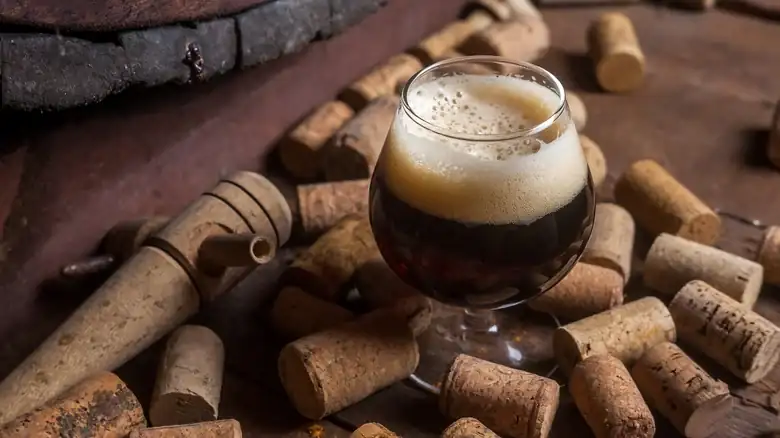
The yeast defines the character of the English Old Ale
Beer is made with hops, malt, water and yeast, but in English old ale the distinctive character comes mainly from the yeast.
An old ale needs a yeast strain capable of handling higher alcohol levels. Since these beers have between six and nine percent alcohol, compared to the five percent of a classic pilsner, the strain must be able to withstand that higher alcohol content. Some of these special strains contribute unique flavors, such as notes of dark fruit or a touch of acidity, which define the beer's character.
The higher alcohol content, along with a more robust body and a more resilient yeast, allows old ale to withstand aging that lighter or hoppier beers cannot tolerate, as they degrade rapidly. During this aging process, which in some cases lasts for years, the yeast character evolves and acquires flavor traits that define the style.
The yeast used in ale is typically fruitier and more expressive than the dry, neutral strains used in lagers, which are often described as refreshing. When fresh, it can range from stone fruit to vanilla or raisin; over time, it develops an oxidative character. Oxidation is a fault in most styles, but here it imparts a nutty, almost sherry-like note reminiscent of wine, which is desirable for the style.
Unlike wine, a bottle of old ale should be stored upright, not lying down, in a dark place such as a cupboard or cellar. The temperature should be kept between 13 and 16 degrees Celsius, without significant fluctuations in humidity.
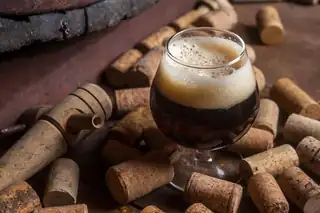
A snifter glass is an excellent choice for serving. It pairs well with a herb-roasted beef tenderloin, a boneless leg of lamb, or a dark fruit and spice dessert that complements it.