What differentiates pastina from risotto?
When we think of comfort food, we think of enjoying hearty and comforting dishes, and what would such food be without two of its star ingredients: pasta and rice?
When we think of comfort food, we think of enjoying hearty and comforting dishes, and what would such food be without two of its star ingredients: pasta and rice? While two of these ingredients, risotto and pastina, fall into the same category of creamy and comforting dishes, and can easily be confused, they are two distinctly different things.
The similarities are undeniable: both are cooked until soft and chewy, both are staple ingredients in Italian cuisine, and both are often found in the supermarket's grain aisle, ideal for preparing nutritious and comforting dinners at home. But if you've ever confused risotto with pastina, wondering how these similarly pearly, small-grain-like ingredients differ, the answer, broadly speaking, is simple: one is pasta and the other is a grain.
Pastina is the generic term for a category of tiny pasta noodles, generally less than 2 millimeters long, made, like traditional pasta, from wheat flour. Risotto, on the other hand, is a dish made with a specific type of rice, typically Arborio, which is toasted and cooked slowly. This method of preparation produces a particularly nutty flavor and a chewy, almost gelatinous texture, unlike white or brown rice steamed on the stovetop, which has a more airy and loose texture. Beyond the composition of pastina and rice, there are other notable differences in flavor, texture, and their common uses in cooking.
Although similar in texture and country of origin, both are used differently.
Pastina, which means "little pasta" or "tiny pasta" in Italian, is perhaps the most comforting contribution to Italian cuisine. Although, due to its mild and delicate flavor, it can be added to a wide variety of soups or served simply as pasta with sauce, it is traditionally prepared as a comforting, mild, and easy-to-eat spoon food, colloquially known as "Italian penicillin." Cooked and recommended by Italian grandmothers worldwide as a sort of panacea for anyone feeling unwell or in need of something healing, pastina simmered in broth with Parmesan cheese is essentially the Italian version of chicken noodle soup. Whether prepared in this traditional way or used in other ways, pastina has a subtle and understated flavor on its own, like most pastas, and is generally cooked to a very soft texture, unlike risotto al dente.
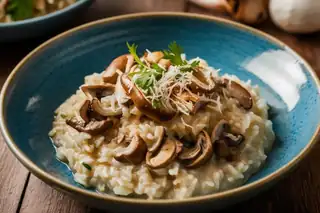
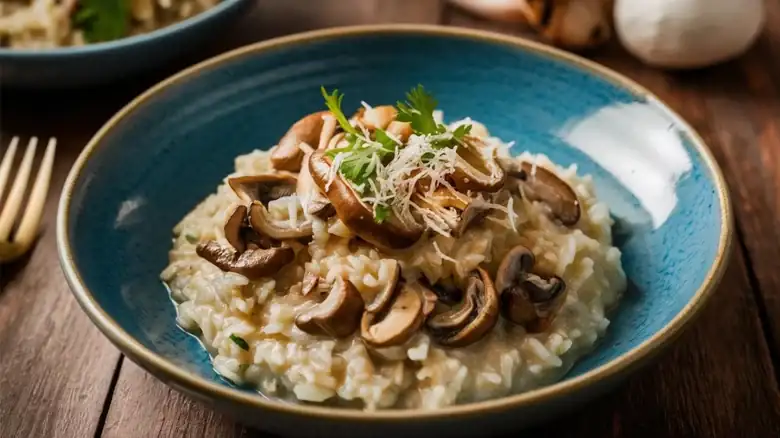
Although similar in appearance and another of Italian cuisine's most comforting contributions, risotto is always prepared with short-grain, starchy rice varieties. To achieve a perfect risotto, the key is to cook the grains slowly, gradually adding water or broth until they swell, creating a rich and flavorful rice dish that retains a slightly chewy, slightly elastic texture. Like pastina, risotto is a blank canvas and can be prepared with a variety of vegetables, cheeses, and spices. You can even make a completely dairy-free risotto for a plant-based meal so exquisite you'd swear it was made with cream.







