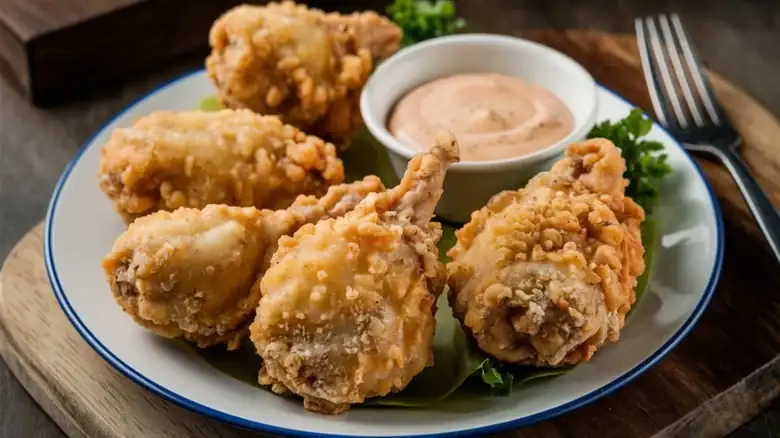
Rocky Mountain oysters: bull testicles that earned their name in the American West
Far from being seafood, Rocky Mountain oysters are fried bull testicles. A Western delicacy with deep roots in frontier ranching.
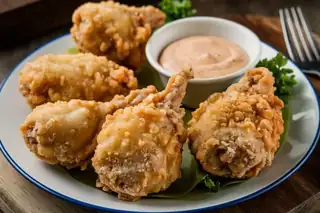
Rocky Mountain oysters don't come from the ocean or the mountains. Also known as beef oysters, cowboy caviar, and prairie oysters, they are actually bull testicles or, in some regions, lamb and bison testicles. They are served deep-fried with a texture similar to calamari and a flavor reminiscent of chicken with a hint of game.
Its origin is practical and necessary. During the 19th century, westward expansion in the United States forced ranchers and farmers to make the most of everything they had. Castrating bulls was a common practice to reduce aggression in male cattle; the resulting testicles, otherwise discarded, became a valuable food source in a harsh territory without supermarkets or other options.
The name "oysters" comes from two sources: their similar texture to common oysters and, especially in Colorado, the location of many oyster-producing ranches near the Rocky Mountains. By the early 19th century, they were already a respected frontier food. Today, festivals like the Rocky Mountain Oyster Fry in Virginia City, Nevada, and the Denver Rocky Mountain Oyster Fest in Thornton, Colorado, celebrate this culinary heritage.
For those who grew up eating them, they are a true delicacy. For others, a culinary extreme comparable to fried frog legs or alligator. Western cuisine has always made use of the viscera and less obvious parts of the animal, avoiding waste. This principle remains alive in the oysters of the Rocky Mountains.