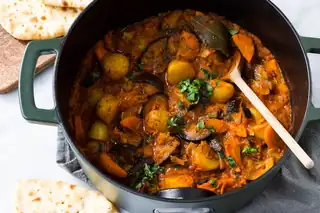
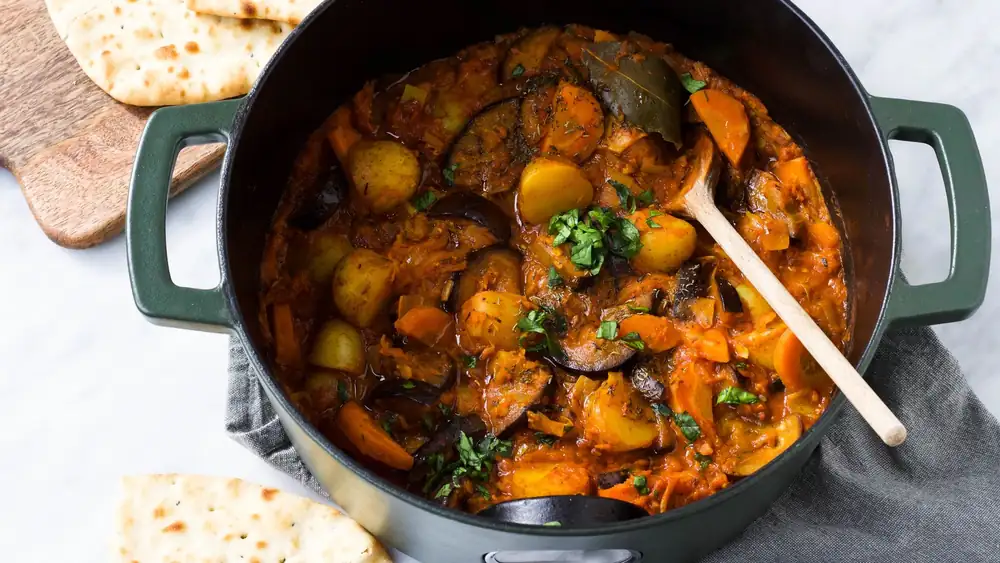
Why some stews taste better the next day and others lose their texture
Stews with spices and sauce gain depth when left to rest, while fried foods and salads lose their appeal as soon as they are stored.
A curry that tastes even better the next day, a stew that gains depth after a night in the fridge, and a lasagna whose leftovers can surpass the first serving. The idea is repeated in many kitchens, but it remains to be seen whether the effect is real or if we simply like the leftovers because we want to believe so.
In short, some dishes do have something special about them. Those with lots of spices, sauces, and slow-cooked ingredients benefit from resting overnight, although not all improve simply by waiting a day.
Part of the effect is psychological: leftovers that just need to be heated can taste even better, because the next day there's nothing to do.
No magical transformation happens overnight. The ingredients remain virtually the same; what changes is the time it takes for the flavors to distribute and blend.
In sauces and stews, the aromatic compounds are better distributed throughout the dish. Garlic, onion, herbs, and spices dissolve in the liquid and fat, and the next day they are perceived more as a harmonious whole than as separate ingredients.
Fat also plays a role. Many spice aromas are fat-soluble and continue to permeate the dish during storage. When reheated, volatile compounds are released that are perceived by the sense of smell, and this aroma is a fundamental component of what is perceived as flavor.
During cooling, minor chemical changes can occur between acids, sugars, and proteins, which soften or slightly alter the flavors. This doesn't happen equally in all dishes, nor does it automatically make any dish tastier, although in complex recipes, time helps everything meld together.
Not all foods benefit from resting. French fries, tempura, and other fried foods lose their crispness as soon as moisture spreads across the plate, and salad with dressing wilts if left to sit. A freshly made risotto is creamy and light, while the next day it's much firmer, and fried fish often loses its crust when reheated. Some dishes are simply better freshly made, like an omelet, scrambled eggs, or pasta with a very delicate sauce.







