Circular gastronomy seeks to close the cycle of food and resources
Circular gastronomy takes advantage of every scrap in the kitchen to reduce food waste and optimize resources in production and consumption.
Circular gastronomy is inspired by the circular economy, which promotes reuse, recycling, and sustainability. Its goal is to reduce food waste and optimize resource use at every stage of production and consumption.
Unlike the traditional linear model, which follows the pattern of "extract, produce, and discard," this approach proposes a cycle in which ingredients and materials are reused, recycled, or combined to generate new resources. According to the FAO (Food and Agriculture Organization of the United Nations), food waste reaches 1.3 billion tons annually worldwide.
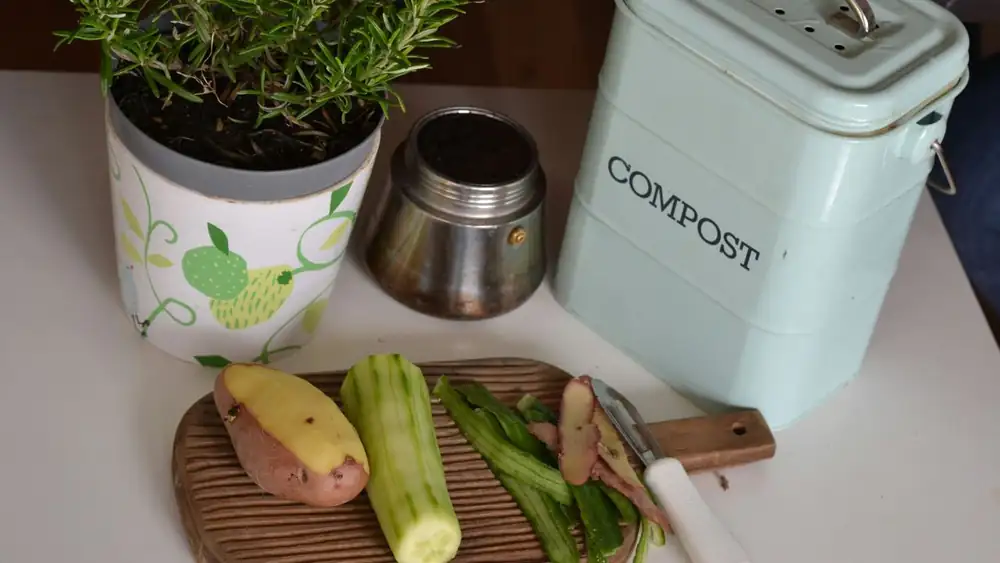
One of the most common strategies is the reuse of ingredients. Restaurants take advantage of leftover vegetables, peels, bones, or stems to create new dishes; an example is using carrot peels to make chips or corn husks to prepare broths.
Another option is composting and recycling organic waste, such as fruit, vegetables, and bread. Compost enriches the soil for crops and prevents this waste from ending up in landfills, where it contributes to greenhouse gas emissions. Some restaurants go even further and convert their waste into energy or biofuels.
Circular gastronomy also prioritizes local and seasonal products, which require fewer resources for transportation and storage. This approach promotes biodiversity, reduces the carbon footprint, and supports local farmers. Furthermore, seasonal ingredients are also fresher and tastier.
Reducing waste completes the cycle: chefs are innovating with techniques such as fermentation, dehydration, and preservation, which extend the shelf life of food. Consumer education is another key aspect, as their food choices influence their environmental footprint.
For its proponents, circular gastronomy is more than a trend: it is a necessity in a world where natural resources are rapidly being depleted.