Giresun, Turkey: the hazelnut capital of the world
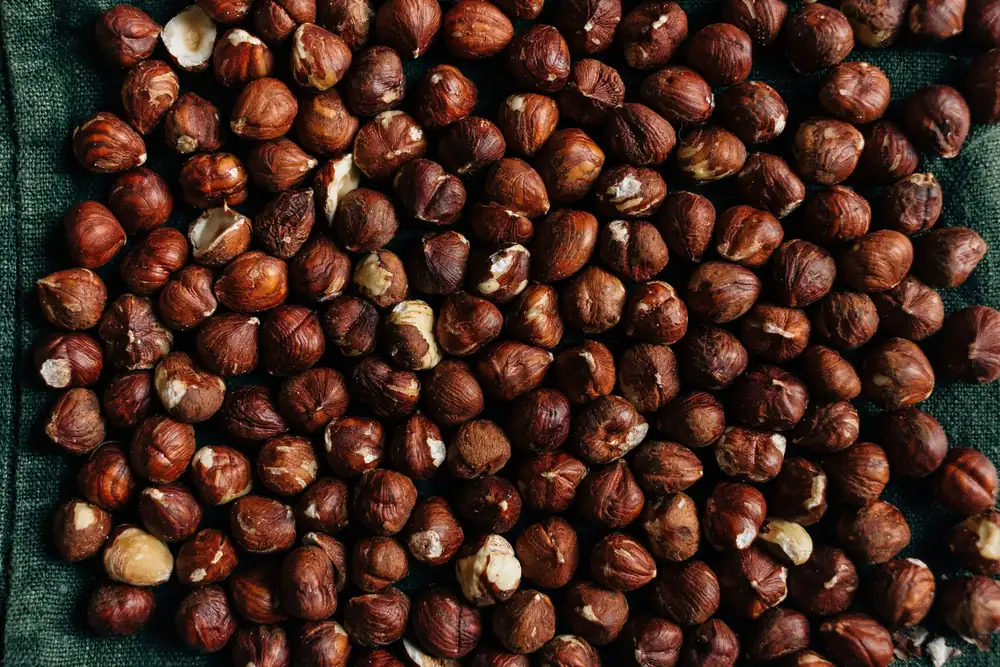
Nestled on the slopes of the Pontic Mountains overlooking the Black Sea, the ancient city of Giresun is known for its stunning coastal views and dramatic mountain landscapes. However, it is most famous for its high-quality hazelnuts.
More than 72% of the world's hazelnut production comes from Turkey, and around 60% of this comes from the Eastern Black Sea region around Giresun. The tradition of hazelnut cultivation dates back thousands of years. Herodotus, the famous "father" of ancient Greece, mentioned the abundance of hazelnuts in Turkey as early as the 5th century BC. From the 1400s onwards, hazelnuts from Giresun and the surrounding Eastern Black Sea region were imported to Europe and beyond.
BBC's Discovering the World's Table has been mapping Turkey to find out more about this sweet nut. Before a hazelnut, for example, ends up in a jar of Nutella, it starts in Turkey. Hazelnut farming in Giresun has traditionally been done by women, and these days women are increasingly taking on the responsibility of producing and selling hazelnut products, such as various chocolate products. In the past, hazelnuts were often exported abroad, only to end up back in Turkey in the form of chocolate or even spreads. Businesses like Home of the Hazelnut - run by three sisters whose families have a long history in the local hazelnut industry - could make a difference in this area.
“In this region, 80% of the peanut products are processed by women,” Sayari Sungur, one of the company’s owners and co-founders, told Discovering the World’s Table host Nick Kwek. “Women have always been the best at taking care of these nuts – both in the fields and in the gardens. Now we want to make sure that these women are at the forefront not only as producers, but also as decision-makers.”
Home of the Hazelnut was launched nine years ago and, while preserving the ancient traditions of Giresun, is also an example for a new generation of local women. Sungur is proud of her family's success and how it has inspired other women in the area to start their own businesses. "Now that many women see how valuable this product is, more and more women are getting involved in production with more confidence. I think it's phenomenal," she told the BBC.
Although Turkey's hazelnut industry continues to flourish, threats are also present. As in many other places around the world, the country's hazelnut tree and shrub growing conditions have been threatened by environmental changes. Climate change is having a major impact on the quality of the crop, causing more moisture and the flow of pests, both of which can inhibit and kill hazelnut crops.
“As the climate has changed, new pests have emerged in the last three to four years,” said Dr. Sebahat K. Ozman-Sullivan, a plant protection scientist and hazelnut farmer who grew up in Giresun. “This is a big problem because many plants are attacked. In addition, when there is high humidity, powdery mildew disease also appears at the same time,” he added, explaining that hazelnuts grow best in drier climates.
Ozman-Sullivan worries that local experiments aimed at curbing the spread of pests are actually doing more harm than good. “People are using pesticides, but that’s not good because there are a lot of microorganisms living in the soil, and we need to keep them alive,” he explained.
The hazelnut farmers of Giresun are extremely proud of their produce, which comes from their unique mountainous and coastal ecosystem. Many, like Ozman-Sullivan, are determined to protect this heritage and ensure that the tradition continues for future generations. “We want to continue producing hazelnuts in this beautiful landscape,” he added.