Kitchen language explained: what is nage?
What does nage mean?
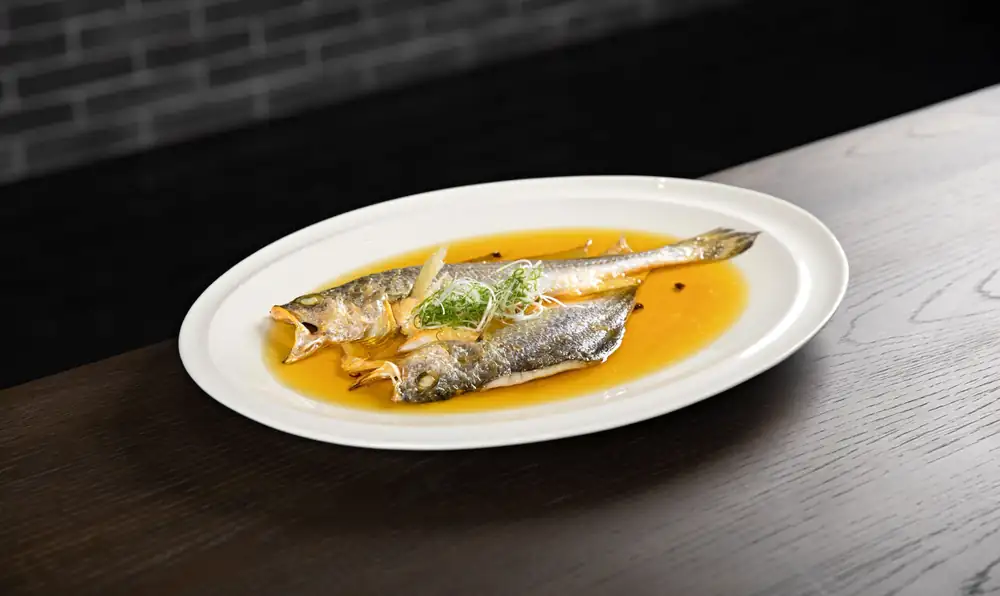
The French word à la nage literally means "swimming." In the culinary dictionary, in its classical sense, it means a stock flavored with vegetables, white wine, and herbs, which is usually used to stew seafood, especially fish. Another interesting thing is that it can be served as a light sauce at the same time as the main course.
Why should we cook à la nage?
Because the seafood can't be completely submerged in the broth, this technique combines both braising and steaming. Both cooking methods are very healthy, as the liquid, instead of oil and fat, only provides the right amount of heat to the food. Steaming also allows the seafood to soften to the right degree, while the broth adds flavor from the spices and vegetables in it - so you get the most out of everything.
For novice cooks, nage is a simple cooking method that anyone can follow, as it only requires a pan and ingredients that are easily available anywhere. For those who are concerned about the fishy smell that accompanies seafood, the nage method ensures that this smell disappears by the end of the process, thanks to the slow simmering.
How to cook using the à la nage method?
Sauté the vegetables – garlic, onion, fennel and celery – in oil or butter until the mixture becomes translucent.
Add a mixture of white wine, water, and fish stock, if desired.
Carefully place the fish into the soup, making sure that the fish is only partially submerged.
Bring the soup to a boil, cover the pot, and continue to cook slowly.
When the fish is fully cooked, the dish is ready.