The Philippines prohibits the export of fresh ube and its planting material
The Philippines has banned the export of fresh ube, the purple yam used in its desserts, in order to keep its tubers in the country and expand production.
“I’d rather see the Philippines protect and build its supply now than allow an ingredient that’s part of our culture to become disconnected from the people growing it.”
The milky coffees and deep purple ice creams seen on social media don't get their color from dye, but from ube, a purple yam.
Ube is primarily associated with sweets. Its most well-known preparation is ube halaya, a thick paste made by cooking and mashing yam with milk, sugar, and often butter. It is also found in halo-halo, a Filipino shaved ice dessert, and in cakes, ice cream, and pastries such as ube ensaymada. Fresh yam can be boiled or mashed and served as a savory side dish.
The popularity of ube in the Philippines has made it difficult for producers to meet demand. Farmers cultivate ube from existing tuber cuttings, and the government believes it is necessary to conserve these tubers within the country to expand production. It also wants to prevent other countries from using Philippine varieties to create competing crops. The ban covers fresh ube and planting material, whether for consumption or cultivation. Processed and frozen ube can be exported.
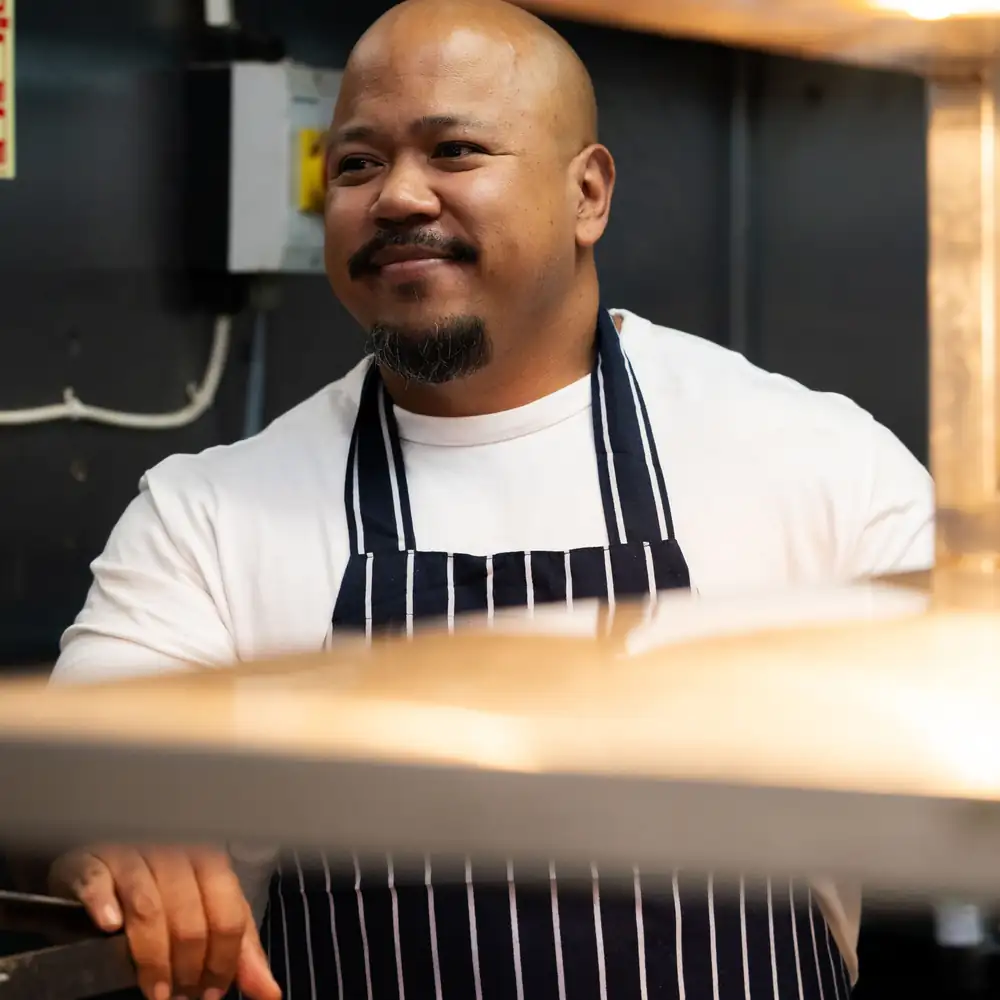
Omar Shah, owner of Bintang, London's oldest Filipino restaurant, and other establishments such as Belly Bistro and Mamasons Dirty Ice Cream, says the news is disappointing, but he understands the reason. "Ultimately, the farmers and the long-term health of the sector must be the priority," he states. "I would prefer the Philippines to protect and develop its production now, rather than allow an ingredient that is part of our culture to be disconnected from those who grow it."
According to Shah, other purple yams or sweet potatoes can work in some recipes, especially when color or texture is important. But ube has its own distinct flavor and identity, sweet with nutty and vanilla notes. Shah urges chefs to be transparent: "For me, it's important that we're clear about this rather than substituting it with something else and continuing to market it as Filipino ube."
Ube is also grown in other parts of Asia, such as Vietnam, and some companies might turn to other suppliers. Growing it commercially in the UK would be much more difficult, because this tropical crop needs consistent heat and a long growing season. For Shah, the issue goes beyond availability: “Sourced from another country might solve a supply problem, but it raises a bigger question: if we celebrate Filipino gastronomy, how much of that value can we keep within the Philippines and with the farmers who helped make this ingredient so culturally significant?”
Shah sees the ban as an opportunity to broaden the discussion about Filipino ingredients. “Ube isn’t everything in Filipino cuisine, and I think consumers no longer see it that way. It’s just one ingredient within an incredibly diverse culinary culture.” Taking the spotlight off it could encourage people to discover calamansi, soursop, coffee, cacao, and Philippine black pepper.