Cómo saber si la piña está madura antes de cortarla
Saber elegir una piña madura antes de abrirla evita decepciones: una piña en su punto es ácida, dulce y muy distinta a cualquier otra fruta.
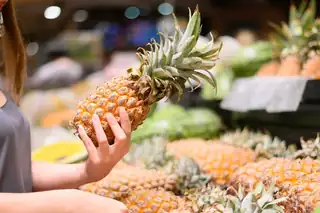
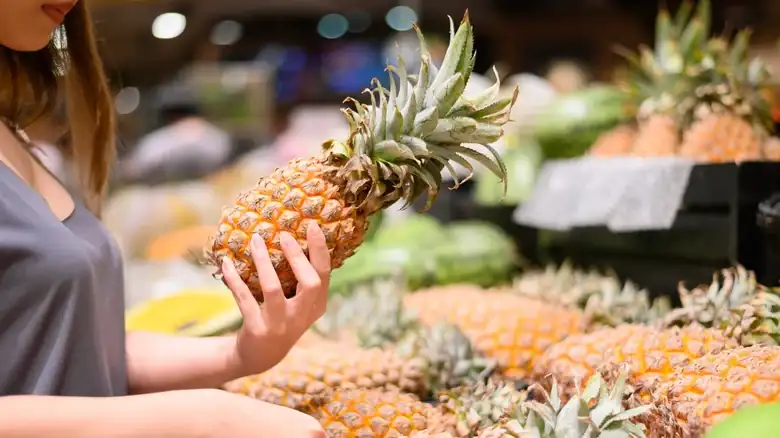
A ripe pineapple has yellow or golden tones near the base, sometimes mixed with light brown. Avoid those that are completely green or excessively brown. When gently squeezed, as if it were a ripe mango, it should feel firm but slightly springy: if it's hard as a rock, it's unripe; if it's too soft, it's overripe.
The aroma is also a clue. A pineapple with no smell is usually unripe, while a sour or vinegary smell indicates it's overripe. If it smells pleasantly sweet and fruity, that's a good sign. The leaf test also helps: if a leaf comes off easily, the pineapple is ripe; if it's difficult to pull off, it probably needs more time to ripen.
Unlike other fruits such as bananas or avocados, pineapples barely ripen after purchase, so a green pineapple won't improve in the pantry. It can be sprinkled with sugar or honey and grilled or baked to enhance its natural sweetness, or blended into smoothies.
An overripe pineapple is fine as long as it's not spoiled. It's best to avoid soft or fermented parts, but the rest can be used in smoothies, sauces, or a tangy pineapple syrup for desserts and cocktails. If it has a strong fermented smell, excessive mold, or a slimy texture, it's spoiled. If only one area is slightly brown, simply cut off that part and use the rest immediately. If it's too rotten, the wisest thing to do is compost it rather than throw it away, to reduce waste.







