Why is non-alcoholic beer getting more expensive?
What was once a bland substitute has become a booming industry, with prices rising faster than those of traditional beer.
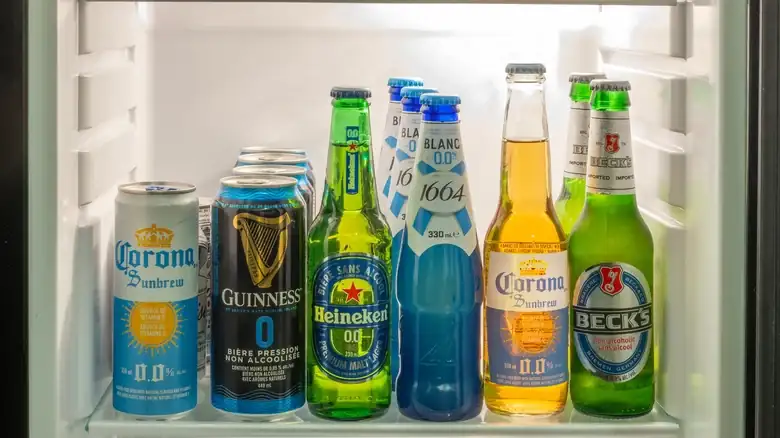
For a long time, non-alcoholic beer was a bland, uninspired, and almost undrinkable substitute. Today, it's a booming industry, with award-winning beers riding the wave of the drinking-responsive movement. The options have never been more varied, but they're not cheap either: a non-alcoholic beer typically costs no less than an IPA or a pale ale, and its price has risen three times faster than that of traditional beer in the last year. Inflation alone doesn't explain that difference.
Several factors explain the higher price: premium ingredients, fewer suppliers and facilities available, and a more complex brewing process. Far from being a watered-down version of traditional beer, non-alcoholic beer is a technical creation that demands time, care, and significant costs. Brands like Athletic Brewing produce hoppy and complex beers, but anyone expecting to save a lot by forgoing alcohol will be in for a surprise.
The market is much smaller than that of traditional beer. There is less specialized equipment and fewer facilities for distilling and bottling, so brands have to work harder to find them and sometimes pay more for them. This translates into higher prices for the consumer, who also needs to be won over with marketing investment.
The ingredients are top-notch, too. All the grains in Athletic Brewing's non-alcoholic beer are organic, a rarity in traditional beer. Without the alcohol that dulls the senses and taste buds, every sip is judged more carefully, so the brewers must be very selective with both the ingredients and the brewing process.
It remains to be seen whether consumers will continue to pay for these increasingly expensive beverages. The soft drink market is still in its infancy, but for now, not even the high prices seem to be slowing the growing American demand.