¿Es imprescindible la harina para pasteles en un pastel casero?
La pastelería The Good Batch, en Brooklyn, explica cuándo compensa la harina para pasteles y cuándo basta la harina común.
Cooking is an art, and baking is a science: in a cake, certain chemical reactions only occur with the right ingredients, in the precise amounts, and at the right time. Among those details, the type of flour plays a significant role in the final result.
The main difference lies in the protein content and particle size. Bread flour has between 11% and 13% protein and develops more gluten, resulting in products with greater strength, elasticity, and a chewy texture. All-purpose flour (9% to 11%) falls somewhere in between, and cake flour (7% to 9%) has the least protein, making it ideal for soft and tender cakes.
Is it really necessary? According to Anna Gordon, founder and co-owner of The Good Batch bakery in Brooklyn, New York, it's not essential: "Most cakes can be made with regular flour," she says.
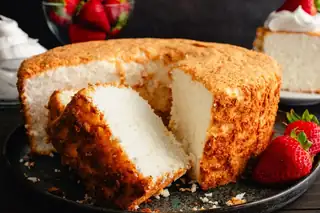
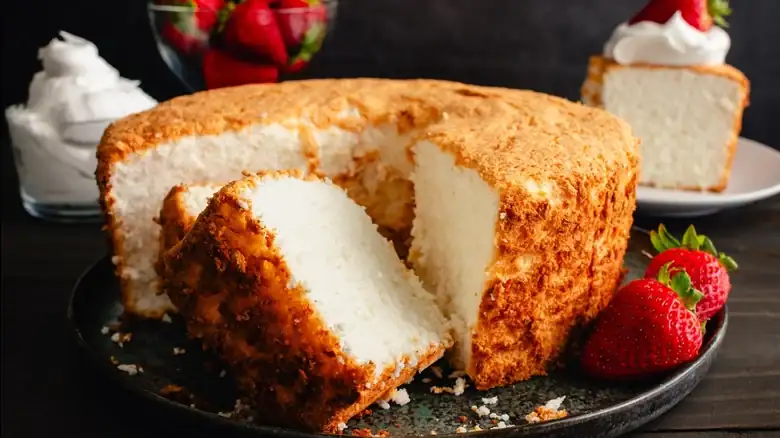
Some cakes do benefit from it. "I think cake flour is ideal when you're looking for a light and airy texture, like in an angel food cake or a chiffon cake," says Gordon. The lightness of these cakes is achieved by whipping the eggs with air, and a low-protein flour prevents gluten from developing when folding the cake. Angel food cake is also easier to make with cream of tartar, a stabilizer.
With all-purpose flour, most cakes don't suffer too much, although they may end up a bit thicker or denser. Cake flour also gives other products, such as cookies, an extra tender texture.
If you buy cake flour, Gordon recommends sifting it before using it, because it tends to clump.







