What is the difference between hot smoking and cold smoking?
Hot smoking is primarily used for cooking and flavoring, while cold smoking is mainly used for preserving food.
Smoking is an ancient technique that has seen a resurgence in recent years, from smoked beef brisket on a home barbecue to smoked Gouda cheese at the supermarket deli, and even a smoked Old Fashioned at a fancy cocktail bar. Exposing food to the smoke from wood chips or shavings can cook, flavor, tenderize, and preserve it. Depending on the desired result, there are two main methods.
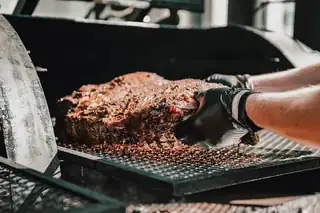
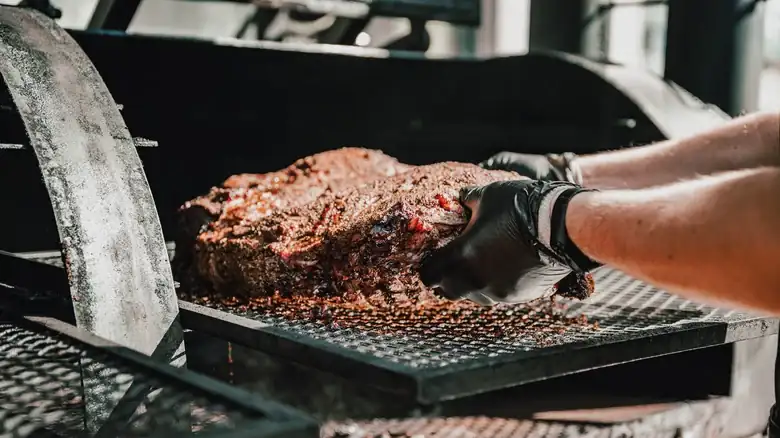
Hot smoking cooks food with smoldering wood at a temperature between 190 and 300 degrees Fahrenheit. It's suitable for meats, seafood, and other foods, and can be done in dedicated smokers, on a gas or charcoal grill, or even in a wok. The wood doesn't ignite, but rather burns slowly to produce smoke. Depending on the method, it's kept in a smoker box or chamber, or spread over the coals. Woods like mesquite, hickory, maple, oak, walnut, apple, cherry, and cedar burn differently and impart distinct flavors.
Cold smoking is primarily used for preservation rather than cooking. It involves curing meats, seafood, or vegetables to remove moisture and inhibit bacterial growth, then exposing them to smoke to enhance their flavor. Smoked salmon and cured meats like salami are frequently cold-smoked.
It is carried out at a much lower temperature, around 32 degrees Celsius (90 degrees Fahrenheit), within the food danger zone, between 4 and 60 degrees Celsius (40 and 140 degrees Fahrenheit), where bacteria multiply rapidly. Therefore, it carries more risks, and curing is crucial: salting or brining removes moisture and inhibits bacterial growth. Afterward, the food is exposed to smoke in a chamber for about 12 to 48 hours, depending on the type of food.







