The reverse marinating technique challenges the rule of marinating before cooking
Marinating after cooking seems counterintuitive, but it has a reason for being and is already practiced in several cuisines around the world.
Everyone assumes that beef, chicken, or fish should be marinated before grilling. But escabeche is an example of reverse marinating, that is, marinating the food after it's cooked. This type of marinating is popular in Filipino, Portuguese, Spanish, and Latin American cuisine, and involves submerging meat and other foods in the marinade after cooking.
Sugar and moisture in marinades are a double-edged sword. On the one hand, just as a mallet softens a tough steak, marinades help to soften the toughness of many proteins. On the other hand, sugar can cause meat to steam and burn without ever sealing in. Reverse marinating avoids this problem because it allows the meat to cook completely while submerged in an acidic liquid that tenderizes it and adds flavor.
The short answer to what goes into a reverse marinade is almost anything. Most marinades combine acids, fats, seasonings, sugar, and salt, and sometimes alcohol or enzymes. In practice, they often include chopped peppers, such as jalapeños, and aromatics like onion or garlic. Acids used include vinegar, lemon, lime, and even tomato, and oils include olive oil or other vegetable oils, such as coconut or peanut oil. Sugars include white or brown sugar, among others.
Reverse marinade recipes typically include thyme, sage, and oregano, in addition to salt and pepper. You can experiment with kosher salt or Himalayan pink salt, and with white pepper instead of black, to broaden the range of flavors.
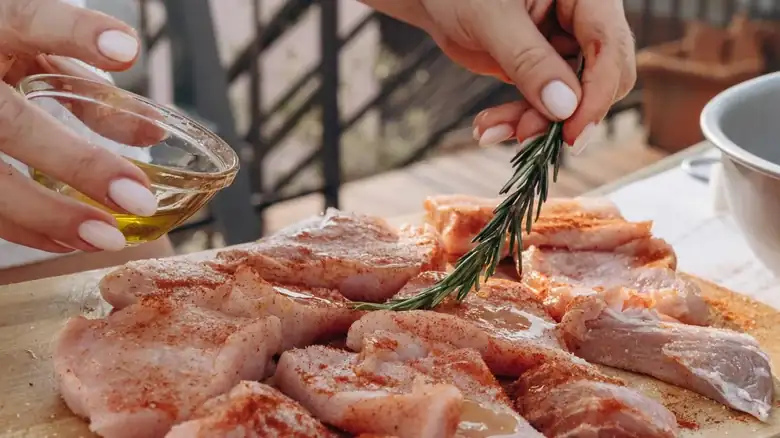
By marinating the protein in reverse, the meat acquires most of its flavor after cooking and resting in the marinade. Before cooking, it only receives a coating of oil, a pinch of salt, and some seasonings. Depending on the type of meat, it can remain on the heat for 10 to 12 minutes, always until it reaches the proper internal temperature, before being transferred to the marinade.
The marinade is usually prepared before cooking begins, as most recipes indicate that the protein should be marinated almost immediately after removing it from the heat. Some recommend letting it rest for 15 minutes to an hour, and certain methods based on scientific principles use marinades for up to 24 hours. Like any perishable food, marinated meat needs refrigeration if it remains at room temperature for more than a few minutes.