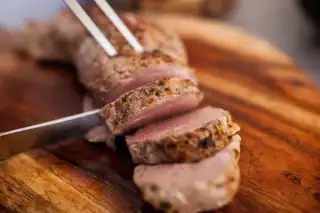
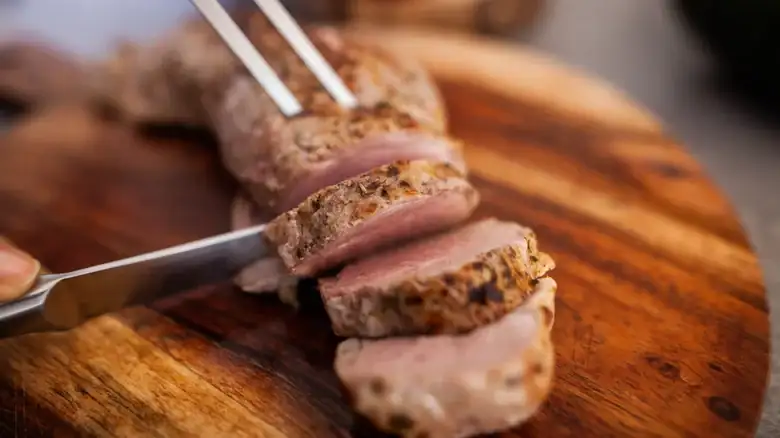
Sugar, the secret ingredient for juicy pork
Sugar helps to tenderize pork by complementing the salt in a marinade or brine; it also accelerates caramelization, forming a crust that cooks quickly without drying out the inside.
Pork is a versatile and flavorful meat, but it has a reputation for being dry. Both large cuts like shoulder and leg, as well as simple chops, require measures to retain moisture. You already have a key ingredient in your pantry: sugar.
Sugar slightly tenderizes the meat, complementing the salt in a marinade or brine. It accelerates caramelization; although a common belief is that the crust traps juices, it actually speeds up color development. As a result, you wait less time for that crust to form, preventing the inside from overcooking.
The combination of pork and sugar is a culinary tradition. Brown sugar is widely used in regional recipes such as slow-cooked pulled pork mixed with spices and salt in dry marinades. It complements the pork's characteristic flavor, enhancing its pleasant sweetness. It works well in slow-cooked dishes and equally well in grilled chops; the sugar simply caramelizes at different rates.
Another method is a brine, a watery mixture of salt and sugar that can be applied to various cuts of pork. It noticeably increases juiciness in every bite. Customize the brine ingredients according to your preference: syrup or white sugar. The important thing is not to forget the sweet element; it's a simple complement that makes all the difference.







