The additive to avoid when buying fish and seafood
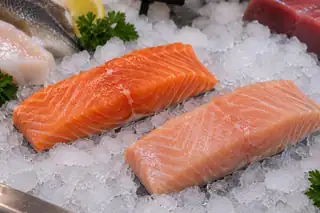
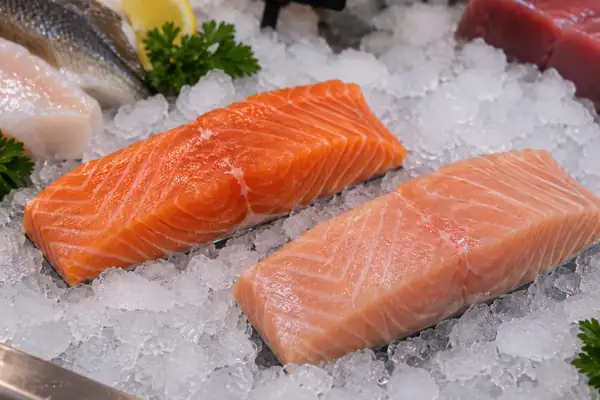
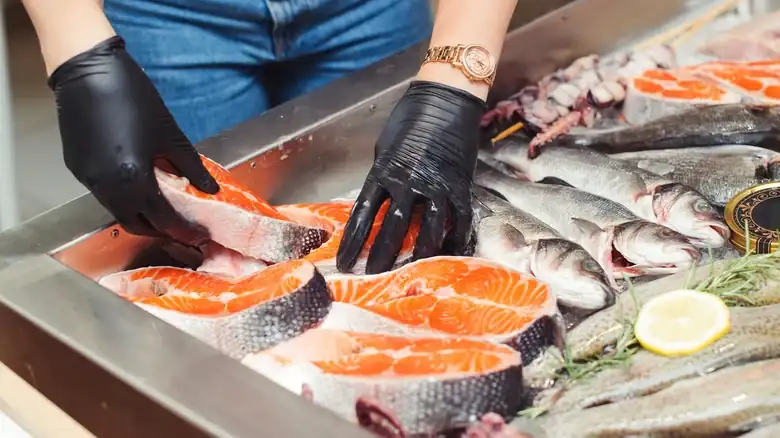
A pearly white steak, a perfectly colored salmon, or flawless prawns may have been chemically treated to give a false sense of freshness.
“only. Unfortunately, you are at the mercy of the fishmonger, counterperson, or server when inquiring about a product's purity. Other additives to look for Sodium tripolyphosphate is”
According to Fish for Thought, healthy seafood has a natural color without discolored areas, firm flesh, and shiny, moist, and smooth skin, as well as a fresh aroma. According to The Healthy Fish, some products receive additives that artificially increase their weight, improve their appearance, soften the flesh, or mask poor freshness. These chemicals only make the fish appear temporarily larger, firmer, and healthier, and the customer pays for it at the checkout.
One of the most commonly used additives is sodium tripolyphosphate (STPP). Immersing seafood in a thick brine containing this additive increases the proteins' ability to retain water, and consequently, their weight. According to The Splendid Table, its purpose is to preserve quality during storage and transport, although the effect is illusory.
Treated seafood may not cook properly, shrink when heated, or fall apart easily, resulting in a mushy, rubbery, or unpleasant taste. A telltale sign is that it steams when sautéed instead of browning. Treated seafood is called wet, and untreated seafood is called dry. To check scallops, a simple test is to microwave one for 15 seconds: if it's untreated, it will only release a little water.
Hudson Valley Eats describes further differences. Pure white scallops are likely treated, so choose those that are off-white or pink. Untreated shrimp have a firm, springy texture, while wet shrimp are softer and slimier. Ideally, frozen shrimp should only list "shrimp" or "shrimp and water" in the ingredients. Even so, asking about the product's purity requires trusting the fishmonger, clerk, or server.
STPP isn't the only additive to be aware of, according to The Healthy Fish. Seafood can contain traces of antibiotics, growth hormones, or carbon monoxide, which is used to intensify color, in addition to other colorings and preservatives. The Kitchn notes that some processors use sodium bisulfate to disguise harmless dark spots, caused by oxidation, on shrimp shells or lobster tails. This is done purely for aesthetic reasons and could mask seafood of dubious quality.
According to The New York Times, the Food and Drug Administration (FDA) considers STPP safe in low doses, but it's best to avoid it for optimal texture and flavor. Since shrimp are often treated with STPP after peeling, it's preferable to buy them shell-on. Untreated fish may cost more, but it's usually worth it.