La albahaca se conserva mejor a temperatura ambiente que en el frigorífico
Ingrediente del pesto, de la pasta y de algunos cócteles, la albahaca se deteriora pronto en el frigorífico, así que conviene guardarla fuera del frigorífico.
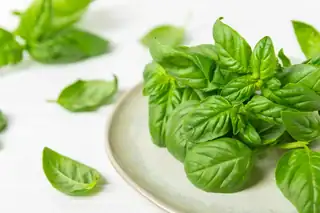
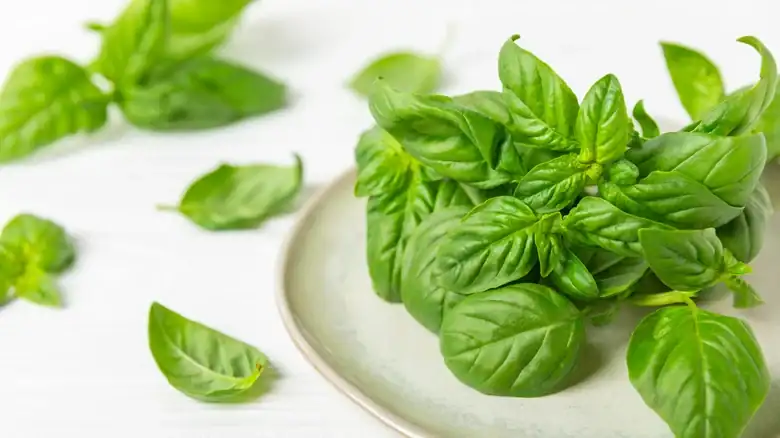
Basil adds sweet and savory notes to all kinds of dishes, from Italian to Indonesian cuisine. It's the star ingredient in pesto and a staple accompaniment to pasta, and it also works well in a crispy Thai-style beef stir-fry or a Caprese salad. In cocktails, it can replace mint, its similarly aromatic relative, in a mojito or a pitcher of lemonade.
It's a delicate ingredient that must be handled with care to preserve its color and flavor. Native to Asia, it grows best between 21 and 29 degrees Celsius, temperatures closer to those in the kitchen than the refrigerator. It doesn't tolerate cold well, unlike herbs such as parsley or dill, which keep better in cool environments. If left in an unsuitable place for more than a couple of days, it will most likely end up in the compost.
To preserve the stems, treat them like a bouquet of flowers: trim the ends slightly and place them in a glass jar with water, being careful not to fill it so much that the leaves get wet. Cover loosely with a plastic bag and leave at room temperature, away from direct sunlight. They will keep for one or two weeks, provided the water is changed every two days to prevent bacteria growth.
Loose basil leaves are stored in a plastic bag, taking care not to crush them. Before placing the bag on the counter, leave it slightly open to allow any accumulated moisture to evaporate. This keeps the basil fresh until you're ready to use it.







