How do pommes aligot differ from regular mashed potatoes?
The French version of the purée, with cheese, looks very similar to the original at first glance, but its elastic texture makes it a different dish altogether.
Mashed potatoes are a dinner staple for good reason: fluffy, creamy, and the perfect partner for stews like coq au vin or a grilled steak. Pommes aligot, known simply as aligot in France, look similar at first glance. Both are potatoes blended with dairy products into a smooth paste, but they are two different foods.
The first difference lies in the flavor. Mashed potatoes focus on the starchy character of the potatoes, while aligot incorporates cheese as a fundamental component of its profile, not just as a finishing touch. Both combine potatoes, butter, dairy (often cream), and garlic, but aligot adds the large quantity of cheese that defines its texture.
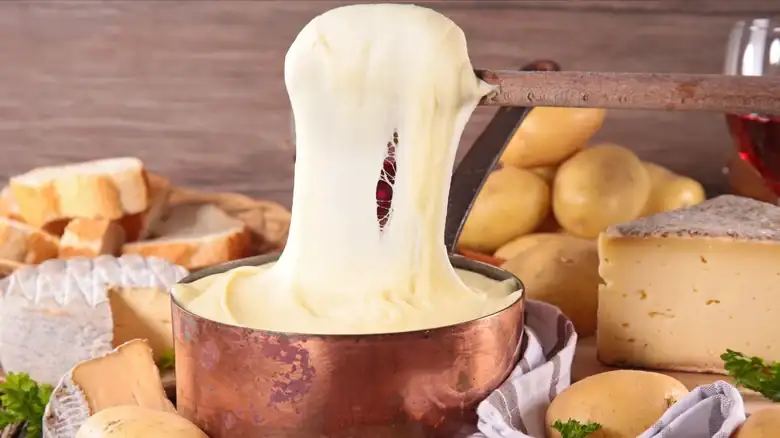
That texture is the second difference. The purée is fluffy and creamy; the aligot becomes elastic and forms a ribbon when served. This is due to the high cheese content, as the mixture is worked more, releasing more starch. That's why it's often compared to fondue.
The preparation begins by boiling the potatoes until tender, then mashing them and mixing them with hot cream infused with garlic. Butter and cheese are added, and the mixture is stirred continuously until it thickens and flows smoothly. In France, the preferred cheese is tome fraîche, a fresh, raw cow's milk cheese with a light, creamy flavor and a touch of acidity, originating from the south of the country. As it is very difficult to find outside of France, common substitutes are a combination of mozzarella and Gruyère: the mozzarella replicates the freshness and elasticity of tome fraîche, and the Gruyère contributes some of its flavor.
In France, the aligot, also known as "the bond of friendship", is often served at gatherings.