El secado al aire, una forma sencilla de preparar carne de calidad de restaurante
El secado al aire, un proceso más rápido y accesible que la maduración en seco, mejora la textura y el sabor de la carne en casa.
The most expensive cuts of meat in restaurants owe much of their quality to the chefs, but also to the meat itself, which can be improved with a simple technique. Steaks chilled in refrigerated display cases or whole carcasses hung on racks look spectacular, but they only serve to dry-age the meat. America's Test Kitchen explains that this process transforms proteins into peptides and amino acids, and that enzymes naturally tenderize the meat. The result is more flavorful and tender meat.
Fresh, recently slaughtered meat is tougher because it hasn't had time to rest, and it can have a bland, almost metallic taste. According to Meathead's AmazingRibs.com, this is the nature of "green" meat, while dry-aged meat is noticeably richer, according to Jess Pryles. But dry aging has its drawbacks: it requires a lot of time and patience, mold can develop, the meat shrinks, and some is lost when trimming the hardened outer layer. It can also be more expensive.
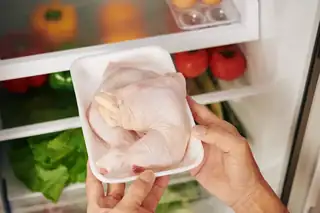
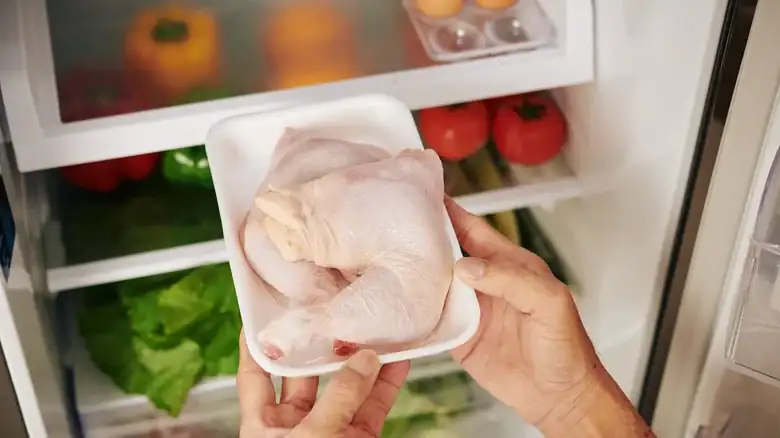
Air drying is a faster and more affordable alternative. To see the method on a large scale, Alton Brown prepares a boneless roast turkey: the whole bird is butterflied, seasoned with dry brine, and refrigerated uncovered for four days, which helps the skin dry and crisp, according to New York Times Cooking. America's Test Kitchen demonstrates that it also works with smaller cuts, such as steaks.
Drying meat allows it to brown more efficiently, resulting in a better crust when cooked. Michael Ruhlman and Brian Polcyn point out in their book "Charcuterie: The Craft of Salting, Smoking, and Curing" that drying also forms a film, "a sticky surface to which smoke adheres," useful for those who roast or cure their meats, according to Cook's Illustrated.
To begin, the meat is patted dry with paper towels and loosely wrapped in cheesecloth to retain some moisture. It's then placed on a wire rack over a tray to catch any blood and stored in the coldest part of the refrigerator, usually the bottom shelf, for three days. America's Test Kitchen advises that the temperature must remain constant to inhibit bacterial growth, so avoid using a refrigerator that's frequently opened, as each opening alters the conditions.
For a porterhouse steak, Alton Brown wraps the steaks in paper towels on a rack, leaves them for a full day, then changes the paper and refrigerates them for three more days, renewing the wrapping if it becomes sticky. Before cooking, he leaves the steak unwrapped at room temperature for an hour and seasons it thirty minutes beforehand.
Air drying doesn't create the same flavors or umami nuances as dry aging, but sources agree that the difference in cooking is remarkable. It works well for steaks and less common cuts, such as wild game, bison, goat, or rabbit. Poultry can also be air-dried for a few days in the refrigerator for soups, salads, and other dishes.







