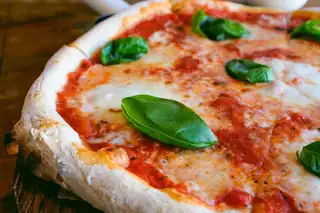
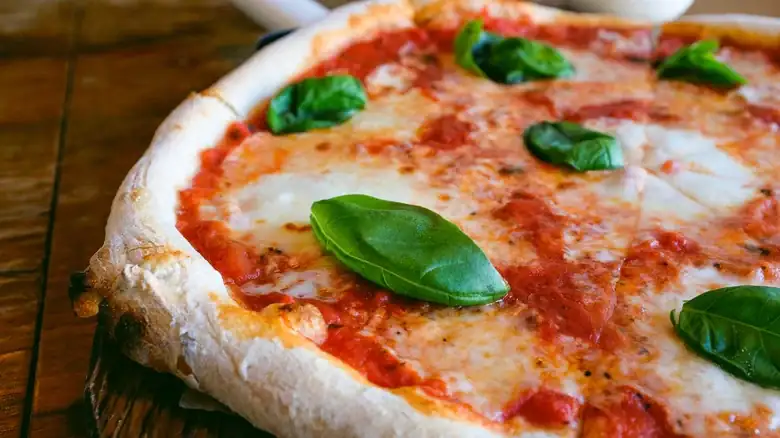
The mistake with mozzarella that can ruin homemade pizzas
To avoid a soggy homemade pizza, it's best to salt and drain the fresh mozzarella before adding it, or choose aged mozzarella.
When making homemade pizza with fresh ingredients, water is the biggest enemy. As Kristen Kish told Parade, "There's nothing worse than a soggy, watery pizza." Between melted cheese, thick tomato sauce, and watery vegetables like onions and peppers, there are plenty of ingredients that can make the dough soggy. If the oven isn't hot enough, the dough won't be able to absorb all that moisture.
For the mozzarella, Kish suggests salting it in slices. For a Margherita pizza with fresh mozzarella, the slices are spread on kitchen paper or a wire rack placed over a baking sheet, generously salted, and left to rest for 30 minutes. Then they are patted dry with another piece of paper, turned over, and the process is repeated, without needing any more salt. This way, the mozzarella retains its creamy, mild flavor and melts into the usual sticky pools without adding moisture to the dough.
When you're in a hurry, the alternative is aged mozzarella. It's sold wrapped in hermetically sealed plastic, so there's no need to salt or dry it, whereas fresh mozzarella is preserved in water, and the difference in dryness is immediately noticeable. Aged mozzarella melts similarly and offers a crisp, slightly stretched texture, with a milder, somewhat saltier flavor that balances the salt that would have been added to fresh slices.
While fresh mozzarella is best reserved for a Caprese salad or other antipasti, aged mozzarella is perfect for pizza. This way, the crust stays crisp and doesn't get soggy when you pick up a slice.







