
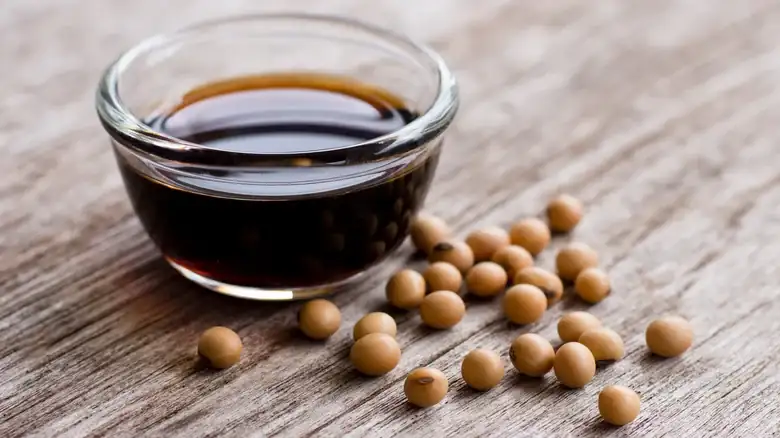
La forma sencilla de reducir el sabor salado de la salsa de soja
Un chorrito de salsa de soja realza muchos platos, pero si te pasas con la sal, diluirla con un poco de agua es una solución sencilla.
Soy sauce is a very versatile ingredient. Although it's primarily associated with Asian cuisine, it can be used in soups, sauces, and with vegetables. The challenge lies in balance: too little, and the dish will be bland; too much, and it can become inedible due to excessive salt.
There's a simple way to enhance its flavor and reduce its saltiness: dilute it with a little water. This makes it easier to check the salt level before adding it to the dish. The method works best with light soy sauce, the most common variety. With dark soy sauce, in addition to water, it's a good idea to add a little brown sugar to mask the salty taste.
Another option is low-sodium or light soy sauce, a controversial topic among cooks. According to cookbook author Grace Young, quoted by the Washington Post, the low-sodium version didn't taste good in the past, but some have improved and are acceptable substitutes for the full-sodium light version. Young also recommended adding coconut amino acids to the light soy sauce if a flavor boost is needed.
Reducing salt is also healthier. One tablespoon of soy sauce contains about 878 milligrams of sodium, which is 38% of the maximum recommended daily intake. Diluting it allows you to use less while still enhancing the flavor.
Before adding it to the dish, test the dilution, or use it as a dipping sauce. A little soy sauce goes a long way.







