Qué tener en cuenta al comprar camarones congelados de alta calidad
El camarón es el marisco favorito de los estadounidenses, y su calidad varía mucho según el precio y el origen, así que conviene saber qué mirar al comprarlo.
Americans consume an average of four pounds of shrimp per year, according to NOAA, compared to two pounds annually of canned tuna and salmon. Its flavor and versatility explain part of the reason: few seafoods are as good in a refrigerated seafood tower as they are fried in a po'boy sandwich. Plus, it's quite affordable, with prices ranging from $6 to $25 per pound depending on where it's purchased and how it was caught or farmed.
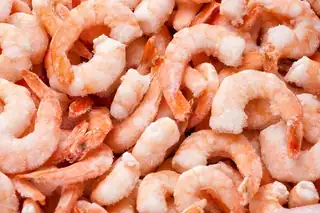
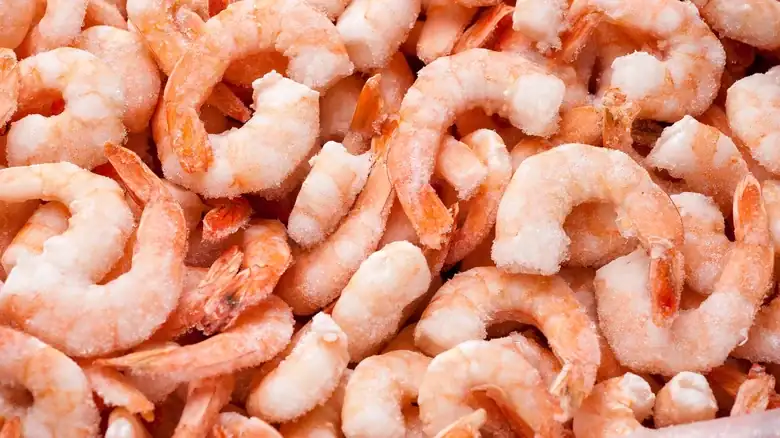
If you buy frozen shrimp, which is almost all that's sold in supermarkets, look for any indication on the packaging that it was flash-frozen on board the ship. Shrimp and other seafood spoil quickly after being caught, so freezing them on the ship helps them stay fresh.
Almost all shrimp in supermarkets, and seafood in general, has been frozen before reaching the fish counter. Raw shrimp displayed on ice is usually frozen seafood that has thawed, which is why it's more expensive. Furthermore, you don't know how long it's been thawed in the display case. Unless you live near the coast where the fish are caught and can buy fresh fish that day, or you buy live shrimp, frozen is usually the best option. Shrimp boats freeze the fish the same day they catch it.
If the frozen shrimp comes with the head on in a clear bag, or loose in a display case, it's a good idea to check the head and body for black spots. These spots are due to oxidation, indicating that the shrimp wasn't frozen immediately.
When you're unsure what to look for, it's best to buy seafood at a trusted supermarket or fishmonger and ask in person. Packaging usually includes information about size and quality, and generally indicates whether it was frozen at sea. If there's no indication of this, it was probably frozen on land and therefore not as fresh.







