How rare it is to find an egg with a double yolk
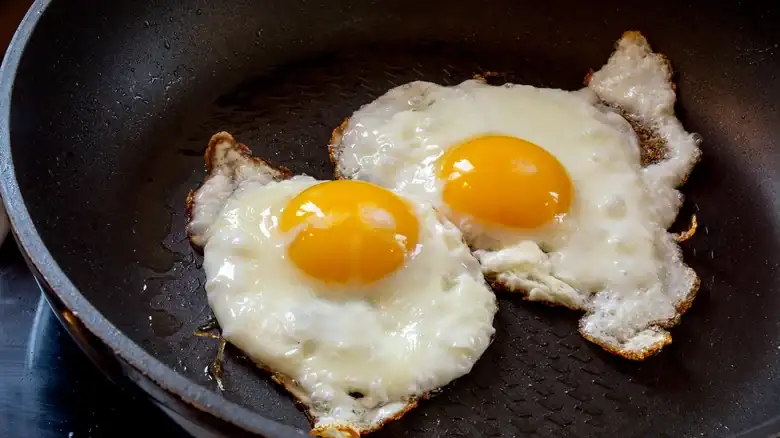
Only one in 1000 eggs has a double yolk, a rare finding but as safe to eat as any other.
To understand the double yolk phenomenon, you need to know what a yolk is: the developing chick's natural food source, containing enough vitamins and minerals for the embryo. If you see a small white spot on its surface, it's likely a fertilized egg cell. There's no need to feel guilty: most supermarket eggs are unfertilized.
An extra yolk is uncommon. It can occur in young hens or hens that have just started laying, whose reproductive system is not fully developed: their eggs may be irregularly shaped, smaller, or have two yolks because their ovulation cycle may be disrupted. As the hen matures, she lays eggs at a natural rate.
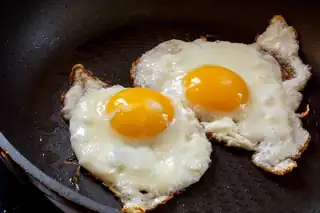
Since eggs from adult hens are the most common in supermarket cartons, the probability is very low. Besides being eye-catching, such an egg is just as safe to eat as any other. Scrambled or fried eggs may have a brighter color, but they are still just as delicious.
A fertilized egg with a double yolk can be incubated, but it's not advisable to expect two chicks: one embryo may outlive the other, and usually only one or neither will hatch. If both do hatch, one is typically weaker and smaller than the other.
Some cultures interpret the double yolk as a symbol. In China, it's considered a sign of prosperity and good fortune, while the Norse believed it foretold the death of a loved one. Some people even associate it with pregnancy, perhaps of twins.