The Candy Roaster pumpkin gets sweeter as it is stored
Cultivated by the Cherokee Nation, this squash is mostly available at farms and farmers markets in Georgia, North Carolina, and Tennessee.
“I think some people see these squash and just think of them as decorative, but these are some of the best squash you can eat.”
If you're looking to add a new flavor to your favorite fall dishes, try roasted North Georgia butternut squash, also known as Candy Roaster. Its flavor is similar to that of a regular pumpkin, though a bit more intense. It can be stored in a cool, dark place for up to six months, and the longer it rests, the more its flavor intensifies, becoming sweeter and nuttier.
If you decide to fry the squash just before eating it, it will brown slightly on the outside while caramelizing. The edges will become crispy, and the inside will have a creamy texture with sweet and toasted notes. To enhance its sweetness, simply sprinkle on a little cinnamon or nutmeg.
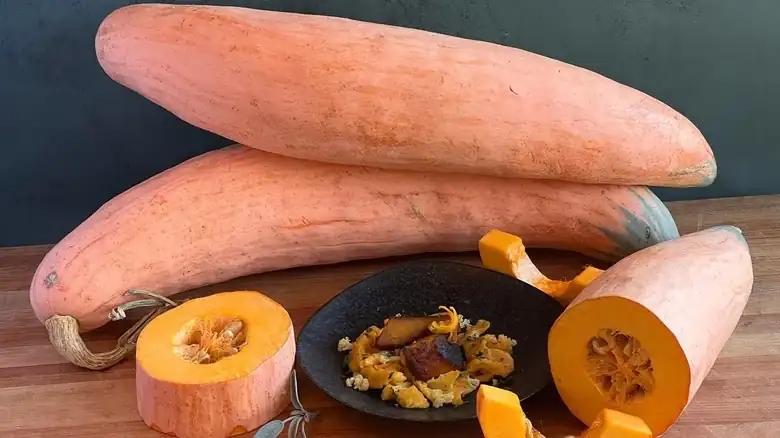
Finding it isn't easy. The Candy Roaster, also known as the giant pink banana squash, is usually harvested in the fall, but its long shelf life means you can enjoy it almost until the next growing season. It's unlikely to appear in your local supermarket, so you'll have to look for it at a farm that grows it or at a farmers market.
Today, it's a regional delicacy that's generating increasing interest among those who want to preserve it. Some farmers consider it "the best baking squash in the world," according to Edible Asheville. One reason for its scarcity is that it easily cross-pollinates with other squashes, producing hybrids that can grow up to a kilometer away, even unintentionally, which can dull its unique flavor. For this reason, it must be grown away from other varieties, and seeds are stored in the Cherokee Nation Seed Bank for preservation.
Abby Landry, president of the Slow Food Asheville board, told Edible Asheville, "I think some people see these pumpkins and just think of them as decorative, but they're some of the best you can eat." They can reach sometimes astonishing sizes, up to 200 pounds, 3 feet long, and 6 inches in diameter. Their skin turns a pinkish-orange and bluish-green color.
Thanks to its size, a single squash can be used in many recipes, both savory and sweet. Its sweet flavor makes it a great substitute for sweet potato or pumpkin. It can be mashed as a side dish, pureed for soups, or cooked into a spreadable paste similar to apple butter. In the Appalachian region, it's a popular pie filling, enjoyed at Thanksgiving as a substitute for pumpkin or sweet potato pie.
With such a complex flavor, it's fortunate that these pumpkins seem to improve with age.