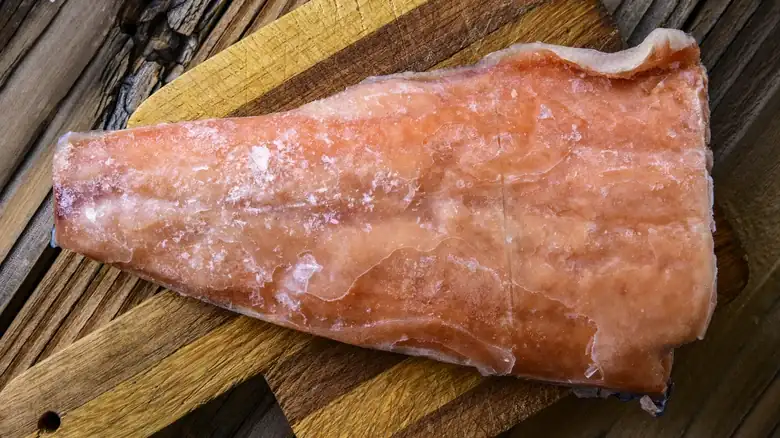
Frozen salmon can be just as good as fresh.
Modern freezing allows frozen salmon to taste just as good as fresh salmon, and in many cases even better.
“and it hasn't been flown in overnight (which it probably hasn't), then the salmon's probably not going to be that good. But most”
A study indicated that salmon is the second most consumed seafood product in the United States, after shrimp. Its versatility and ease of preparation make it a very common choice in homes.
For a time, frozen foods, particularly meats, tasted worse because they froze slowly, and many people still distrust frozen fish for that reason. Modern technology changes the outcome: salmon is quickly frozen at its peak freshness and stays that way until it's cooked. Fresh salmon remains the best choice in coastal areas of Alaska or Washington state, where it's caught that same day.
Many foods freeze well. Hard cheeses, such as Parmesan and Cheddar, freeze quite well, though soft cheeses like Brie do not. Ginger improves when frozen and is easier to grate or chop; fresh herbs don't spoil, and bread frozen immediately retains its flavor and texture.
Other foods are best left unfrozen. Cooked potatoes become mushy and crumbly, and gelatin turns into a gooey mess. Eggs can be frozen outside their shells, but freezing them inside is a bad idea because the water expands in a confined space. Soft or runny dairy products, such as milk and sour cream, will separate. As with any other aspect of cooking, it all comes down to knowing which foods freeze well and which don't.







