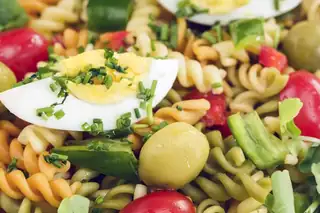
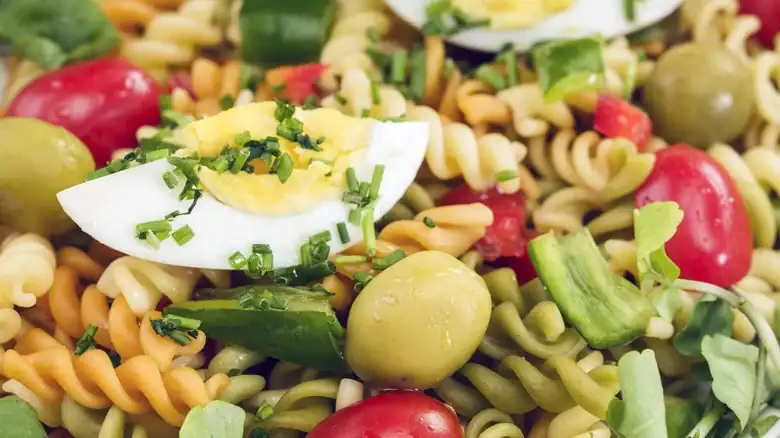
The color of the tricolor pasta does not change its flavor
The colors of the tricolor pasta, which are achieved with spinach or tomato, give a different appearance to the dish without altering its flavor.
Tricolor pasta is sold in natural, green, and red versions, and is an easy alternative for a quick pasta salad. Its colors don't alter the flavor, which depends primarily on the type of wheat and the accompanying sauces or ingredients.
Most pasta is made with durum wheat, although there are whole wheat or gluten-free alternatives. Tricolor pasta uses these same types of wheat, and its colors come from natural ingredients, such as spinach powder for green and tomato powder or paste for orange or red. These ingredients are incorporated into the dough and do not add a significant flavor.
The color serves primarily an aesthetic purpose, enhancing the visual appeal of salads and pasta dishes. It also doesn't alter the texture, which depends on the type of wheat, cooking time, and amount of water.
The shape does influence how the dish behaves. Rotini are spiral-shaped, while penne are tubular with diagonally cut ends, and each holds sauce differently.
Nutritionally, traditional pasta and tricolor pasta are very similar in fat, calories, and carbohydrates. The added vegetables provide vitamins and minerals, but in small amounts, so their nutritional impact is not significant. To better absorb these nutrients, it's best to eat spinach or tomatoes separately.
Chickpea pasta and wholemeal pasta are not sold in three colors, although there is gluten-free tricolor pasta.







