En qué se diferencian el ramen y el pho, dos sopas de fideos asiáticas
El ramen, plato japonés de origen chino, y el pho, vietnamita, son sopas de fideos en caldo con sabores muy distintos.
As a general rule, the variation in ramen lies in the seasoning of the broth, while in pho it depends primarily on the additional ingredients. It's best to start with the broth, which is the most difficult to distinguish, and then move on to the noodles and accompaniments, which are easier to identify.
Ramen broth is rich and flavorful, typically made with slow-cooked pork or chicken bones. Some of the seven varieties also include seafood broth. It's flavored with miso (fermented soybean paste), shio (salt), or shoyu (soy sauce). If the pork bones are simmered longer, the broth becomes tonkotsu, which is thicker and more flavorful than the others. The broth's color ranges from clear to cloudy or brown, depending on the seasoning.
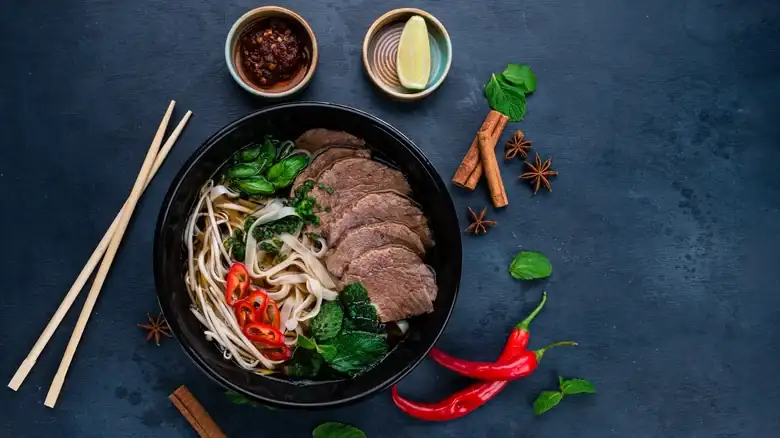
Pho broth is more standardized, although there are regional variations in Vietnam. It's prepared by simmering beef bones for about 12 hours, though it can also be made with chicken or vegetable broth. It contains whole spices, such as cinnamon, star anise, and peppercorns, which are strained out afterward because ground spices cloud the color. It's clear and light because the foam and impurities that rise to the surface are skimmed off periodically.
Thus, ramen broth is richer and more flavorful, while pho broth is lighter, more aromatic, and fragrant. Then, the proteins and accompaniments are added to the steaming broth.
The noodles also distinguish the two dishes. Ramen uses thick, chewy wheat noodles and typically includes sliced meat, a soft-boiled egg, scallions, and seaweed, reflecting its Japanese origins. Pho uses thin, translucent, delicate rice noodles and does not contain egg. A popular side dish is finely chopped raw beef, which is cooked in the broth along with bean sprouts, Thai basil, cilantro, and lime. These are usually served separately so diners can add them to their liking.
Pho can also be served with sliced red chili or sriracha sauce. One chef even claimed that "adding sriracha or hoisin sauce ruins the flavor of the broth (in pho)," and his comment caused outrage. There's no single right way to eat noodles: it all depends on personal taste and the ingredients you have on hand.