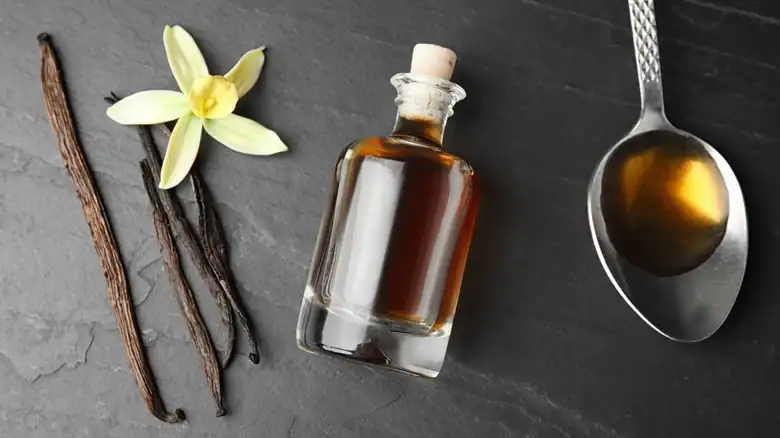
Making vanilla extract at home requires more time and effort than it seems
Many recipes suggest a homemade extract with pods and vodka, but the result is an infusion and not a real extract.
Before embarking on preparing the flavoring, it's worth considering the time and effort it requires. Many recipes suggest leaving vanilla pods in vodka for up to a year, but that produces an infusion, not an extract.
An industrial extract is made with pods from different farmers, not those readily available in stores, resulting in more complex flavors. It is then processed using either hot or cold extraction, both with ethanol.
Hot extraction combines the pods with ethanol and pressurizes the mixture, resulting in a darker product with notes of caramel or oak. Cold extraction subjects the pods to cycles with varying amounts of ethanol, producing a lighter, fruitier extract.
Its production can take months and requires constant effort, so the homemade result is not comparable to that of a professional process.
If you're looking for fresh vanilla in desserts, vanilla pods work well: simply split them open, scrape out the seeds, and add them directly to the recipe. Since their flavor is more intense, it's best to use half the amount indicated for the extract.
For cocktails, an infusion of the pods in vodka also works. Simply let it steep for a few days and then add it to the recipe.
For pure vanilla extract, it's practical to buy it ready-made.







