How heat affects the release of spice flavor
Heat transforms spices differently than meat or vegetables, because their flavor resides in oils that are released when they are toasted or fried.
In meat, heat imparts a toasted or smoky flavor, and in vegetables, it caramelizes sugars and softens tough fibers. With spices, which are not usually consumed whole, the effect is different. Their flavor resides in the oil they contain, and heat acts differently on that oil.
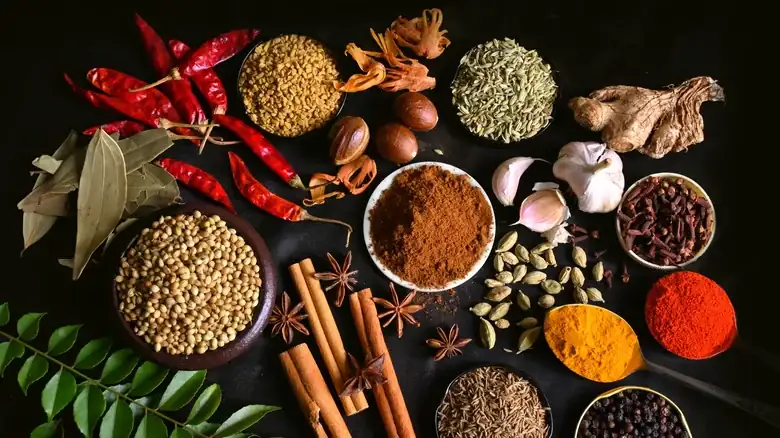
Hot spices, such as dried chilies, star anise, and black pepper, release their essential oils when exposed to heat, reducing the need for long simmers or marinades. Additionally, the oil is lightly cooked, mellows strong or bitter flavors, and imparts a toasted note. Other spices, like coriander or mustard, dry out when heated and are easier to grind.
A finer grind makes it easier to distribute the spices evenly on a dish. Toasting them makes them tastier and easier to use, and even allows you to use smaller quantities. The risk is burning them, especially if they are already ground.
In a skillet, toast the spices over medium heat, stirring gently every minute. After two or three minutes, they will begin to brown and release their aroma; then remove them from the heat and let them cool before grinding or adding them to a dish. If toasting large quantities, spread them on a baking sheet and warm them in a preheated oven at 175 degrees Celsius (350 degrees Fahrenheit), where larger spices, such as cinnamon, may take longer, requiring close monitoring.
Those who want to control the outcome can buy whole spices in small quantities and grind them at home, as they lose flavor over time and even more quickly once ground. Ina Garten recommends a coffee grinder for creating homemade blends.