Oyster sauce provides the flavor that stir-fries need.
Stir-fries, tasty and very versatile, gain depth with oyster sauce, whether they start from a frozen bag or are cooked from scratch.
Stir-fries are prepared with vegetables and protein in a wok or hot pan and are ready in minutes. For a flavor that's hard to beat, like in Hunan-style stir-fried beef, oyster sauce is the key ingredient.
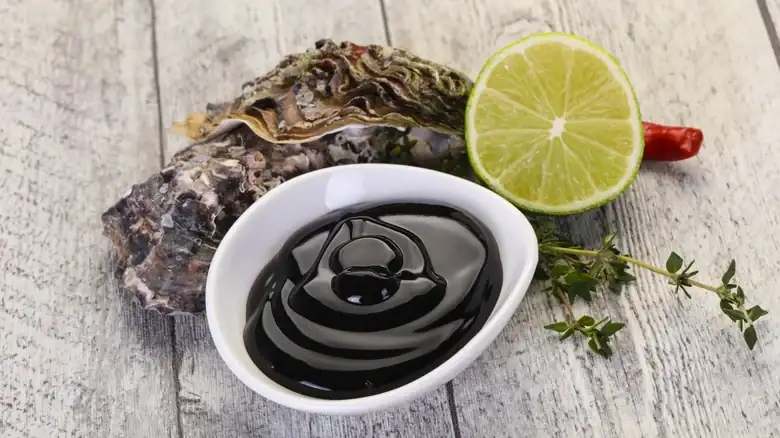
Salty, sweet, and with a rich umami flavor, oyster sauce is a staple ingredient in many Asian cuisines. Its origin is attributed to a happy accident: in 1888, Chinese restaurateur Lee Kum Sheung let a pot of oyster soup reduce and thicken while he was distracted. Pleasantly surprised by the flavor of the dark brown mixture, he decided to bottle it under the Lee Kum Kee brand and sell it nationwide.
Many manufacturers, such as Lee Kum Kee, make it with fresh oyster extract and sugar for a complex flavor without a fishy aftertaste. Kikkoman, from Japan, also adds monosodium glutamate (MSG) to enhance the umami. To elevate a stir-fry, just two or three tablespoons at the end of cooking will infuse its intense flavor into the dish.
Oyster sauce can also be used as a dipping sauce or as a tangy dressing mixed with soy sauce, sesame oil, and black vinegar. In China, blanched Chinese broccoli (gai lan) is served with oyster sauce, garlic, and ginger. Thai drunken noodles (pad kee mao) are prepared with oyster sauce combined with soy sauce and fish sauce to balance the spiciness.
It's also key in marinades for Asian dishes like Vietnamese bò lúc lắc and Cambodian lok lak, known as "stir-fried meat." It can add depth to stews and casseroles, and can be substituted for soy sauce in a 1:1 ratio if needed, keeping in mind its slight sweetness. To preserve it, the best place to store the bottle is in a cool, dry place, refrigerated after opening, and not frozen, as this alters its viscosity.







