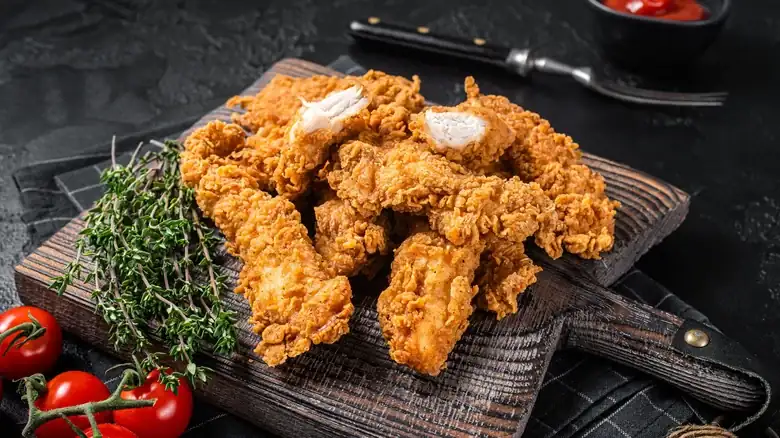
Double coating is the key to crispy fried chicken
Coating the chicken twice gives a crispier crust, with more flavor and more texture than a single layer.
For Southern-style fried chicken, the oil needs to be nice and hot and the batter just right. However, the step that makes the most difference is the second coating of batter.
With a double coating, the crust becomes crispier, more flavorful, and has a better texture, three key elements in any good fried chicken. A single coating is also acceptable, but the meat absorbs less flavor from the breading, so it's best to marinate it beforehand or add more seasoning to the flour. Furthermore, a simple, delicate coating tends to soften faster than a thick crust.
To try it at a basic level, you'll need a pan with seasoned flour and another with beaten egg. Coat the chicken in flour, making sure it's well covered; then dip it in the beaten egg and coat it again in flour. Give it a final dip in egg and a final coat of flour, and it's ready to fry.
A thick breading requires some precautions. The beaten egg binds the layers, but it can swell and steam in the hot oil, separating the breading from the chicken, so the pieces must be completely dry before the first coating of flour. The liquid from the raw meat can also steam and cause the same problem. Mixing buttermilk with the egg, or using it on its own, creates a lighter, slightly acidic coating that adheres better.
Too much flour can make the chicken soggy, because gluten easily absorbs moisture from the meat. For a lighter coating, potato starch is gluten-free: a 1:1 ratio of starch to flour combines the best of both without sacrificing crispness or thickness. The more starch you use, the more delicate and flaky the coating will be, so it's worth experimenting to find your preferred ratio.







