The warning sign you should never ignore at a barbecue restaurant
If a barbecue restaurant doesn't smell smoky, something's wrong, and that's the most important warning sign.
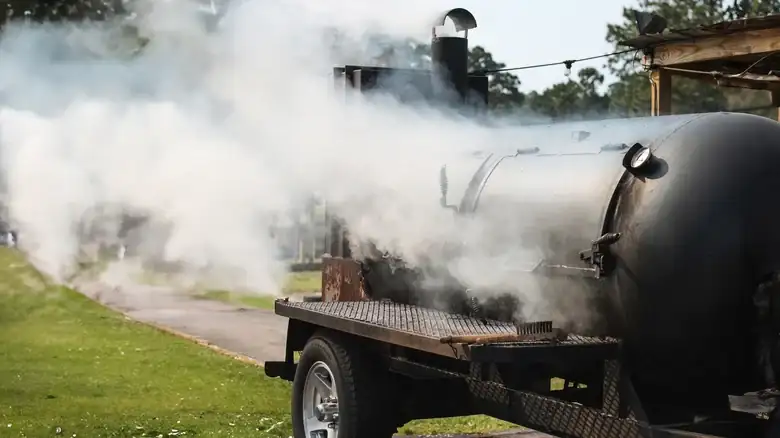
Barbecue is famous for its tenderness, intense meat flavor, and smoky aroma, all of which depend on a skilled grill master using a quality smoker. Even if you can't see the smoker, you'll definitely smell it.
A smoker is designed to generate large clouds of smoke at just the right temperature, while maintaining a low enough heat to slowly cook large cuts of meat. If a restaurant doesn't smell smoky, it's either because they smoke the meat elsewhere and bring it in later, compromising its freshness, or because they don't smoke it at all.
Smoking is essential. The slow, steady heat draws flavor from the bones, breaks down connective tissue, and melts fat. The smoke forms the characteristic pink rings near the surface of the meat and is a pillar of flavor. You should see a significant amount of smoke to know that the restaurant smokes the meat and doesn't just grill it. Of all the red flags, none is more significant than not detecting even the slightest hint of smoke.
Another red flag is a lack of specialization. Barbecuing requires a lot of work and skill, and mastering it takes years. The best restaurants usually have simple, straightforward menus: if they don't offer basic dishes like pulled pork, ribs, or brisket, it's best to avoid them.
Freshness is also key. The ribs must be prepared fresh daily, or they will dry out and lose flavor. Occasional stockouts are a business risk and, in fact, a good sign of fresh food.
Finally, the sauce. The best restaurants make it themselves, but it should never mask the flavor of the meat or become the only perceptible taste. A restaurant that overuses sauces is often trying to compensate for poorly cooked or seasoned meat.