The liquor you should use when making pie crust
The vodka hydrates the dough without promoting gluten development, and its alcohol evaporates during baking.
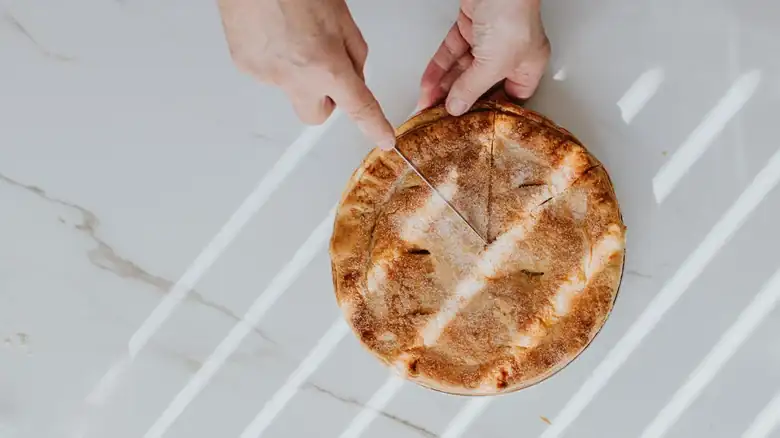
Besides its use in cocktails like the vodka press or the classic Moscow Mule, vodka can be used to emulsify ingredients and enhance the flavor of dishes ranging from pasta sauces to alcoholic desserts. In pie crust, it provides the necessary hydration without contributing to gluten development, resulting in a more delicate, flaky pastry rather than a chewy, bread-like dough.
Because vodka evaporates faster than water, the crust won't be soggy or runny. To make it, blend the flour, sugar, salt, and butter in a food processor, then add 1/4 cup of cold water and 1/4 cup of cold vodka. Any brand will do; just make sure it's unflavored.
To achieve a flakier pastry, everything should be cold, especially the butter. If it melts and is mixed with the flour, air bubbles won't form and it may leak out during baking. It's also best not to over-knead: the heat from your hands melts the butter gradually, and the more you knead, the more gluten develops, resulting in a stiff, elastic dough instead of a crumbly, flaky one.
Add the vodka gradually, as too much moisture can ruin the crust's flaky texture, and adjust the water-to-vodka ratio according to the dough's consistency. Don't worry about the alcohol in the final piece; almost all of it evaporates during baking. If all else fails, forget the homemade dough and opt for a simple, one-ingredient topping, or try giving a store-bought pastry a homemade taste with a little butter and vanilla.