Formas sencillas de darle un toque especial a tu arroz frito casero
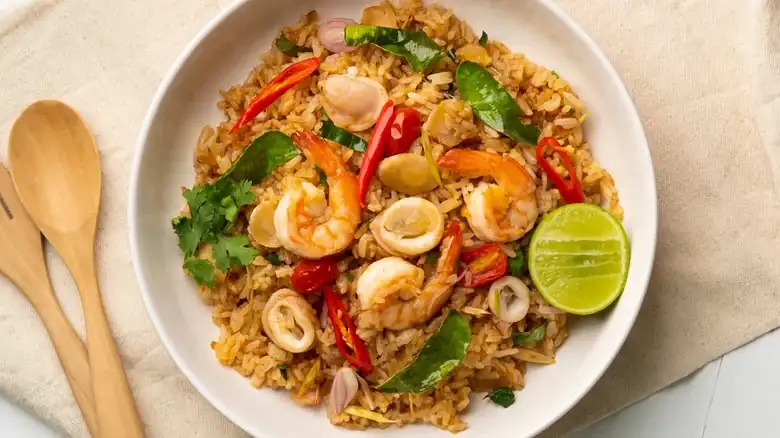
Es fácil caer en la rutina del arroz frito, recurriendo siempre a las mismas verduras, carnes y condimentos cuando se busca una comida sencilla. Pero añadiendo un toque picante de forma creativa (pero simple), se puede transformar este plato básico en algo increíblemente dinámico.
It's easy to fall into the fried rice rut, always reaching for the same vegetables, meats, and seasonings when you're looking for a simple meal. But by adding a creative (yet simple) spicy kick, you can transform this staple dish into something incredibly dynamic. While a splash of that trusty bottle of sriracha or a generous spoonful of homemade crunchy chili adds a delicious finishing touch, these are just a few options for spicing up your dish.
Use packaged seasonings, all kinds of sauces, and chili peppers in various forms to add a spicy kick. Remember that it's always a good idea to wear gloves when handling chili peppers or any spicy food. If you don't have gloves, wash your hands thoroughly with warm water and dish soap, which helps remove the oils that contain capsaicin. Avoid touching your eyes and face! That said, here are some of the best options for adding a spicy kick to your favorite fried rice recipe.
Sauté fresh peppers
In addition to your favorite vegetables and proteins, cook sliced or diced fresh chilies for your fried rice, as is common in Indo-Chinese versions. Serrano, jalapeño, fresno, and habanero peppers are excellent choices. Keep in mind that when cooked in hot oil, they release capsaicin fumes that can cause coughing or burning eyes. If you're used to cooking fresh chilies, you'll know to turn on the range hood and avoid inhaling directly over the pan, but it's even better to leave the chili whole.
Hold the pepper to the cutting board by the stem and, using the tip of the knife, make a vertical cut from about a quarter of its length to the tip. Turn the pepper over and make another cut. Add the peppers at the beginning of the stir-fry so their intense flavor infuses the oil and the other ingredients. Since the oil will be in contact primarily with the pepper's skin, it won't release as many strong fumes. Also, the inside of the pepper will cook more slowly, releasing its spicy flavor gradually.
Another option is to add fresh chilies at the end. In this case, you can chop them very finely and add them during the last two minutes of cooking, so they have time to heat through.
Add ground and dried chilies.
When you don't have fresh peppers on hand, use spices. Try red pepper flakes, cayenne pepper, or roasted and ground Thai chilies called prik phon krua in your fried rice. For milder heat, use Aleppo or Kashmiri chili powder. Combine ground and dried chilies with complementary spices like turmeric, coriander, or cumin, the latter being common in Peruvian fried rice. A spicy curry blend is another excellent option, giving Thai pineapple fried rice a beautiful golden color and a spicy kick.
Add the ground spices to the rice near the end of cooking. They need to toast in the oil to release their aroma, but they'll burn if left on the heat too long. You can also use whole dried Chinese red chilies or Mexican árbol chilies. Toast these chilies in oil along with aromatics like onion and garlic, so the aroma permeates the entire dish. Stir frequently to prevent burning.
Another delicious option is to take inspiration from Vietnamese-Cajun cuisine. Prepare fried rice with ingredients like spicy sausage, crayfish, shrimp, or crab. For a spicy kick, season it with plenty of Cajun seasoning, which includes spices like cayenne pepper, garlic powder, paprika, black pepper, thyme, and oregano. To finish, add chopped green onions for freshness and a few drops of Tabasco sauce for an extra burst of flavor.
Prepare kimchi fried rice
Kimchi is one of the many bold and delicious ingredients that will instantly transform your fried rice. This fermented Korean pickle not only adds a spicy kick, but also a tangy, quirky, crunchy flavor and plenty of umami.
For a simple version, start by chopping some baechu kimchi, the popular version made with napa cabbage. Sauté it, then add day-old rice, a little of the kimchi juice, and sesame oil. A garnish of spring onions, toasted sesame seeds, and toasted seaweed completes this simple, comforting, and spicy dish. The tangy and spicy kimchi, the nutty sesame, and the chewy rice create a perfect balance. For an extra touch of flavor, top the dish with a fried egg with a runny yolk.
You can also use different types of kimchi in your fried rice. There are versions made with a wide variety of vegetables, including radishes, onions, cucumbers, carrots, and more. For a fresher, crunchier flavor, season the rice with a little of the spicy brine and, once cooked, add the kimchi on top for a slightly crunchy texture.
Prepare a creamy sauce
Condiment lovers know that a meal isn't complete without a sauce, and fried rice is no exception. Mayonnaise-based sauces are a great option. Try a sriracha mayonnaise, which only contains those two ingredients. You can make it as spicy or mild as you like, but store-bought mayonnaises are also very convenient.
For a similar but smokier flavor, mix mayonnaise with the sauce from a can of chipotle peppers in adobo. If you want extra heat, you can also add some chopped chili peppers. Three-ingredient bang bang sauce is another creamy and spicy option, ideal for those who prefer a sweeter finish. Add a splash of white, rice, or apple cider vinegar, or some freshly squeezed lime juice to any of these sauces for a refreshing twist.
Peanut sauce is a great option, rich, with a strong nutty flavor and a touch of sweetness. This peanut sauce recipe includes spicy Thai chilies and is just as good drizzled directly over fried rice. Plus, it's easy to adapt if you don't like peanuts. Try almond butter, cashew butter, tahini, or zhima jiang (Chinese toasted sesame paste), and if you don't have fresh chilies on hand, you can add red pepper flakes or gochugaru for a spicy kick.
Finish the fried rice with prik nam pla
If you enjoy salty and tangy flavors, try a classic Thai condiment called prik nam pla. In its simplest form, it uses only finely chopped Thai chilies marinated in fish sauce. If you can't find Thai chilies, you can use any other hot chili pepper. You can also add lime juice for a touch of acidity, or finely chopped fresh shallots and garlic for a more intense flavor. This condiment has a strong taste, so you can adjust the intensity with a splash of water or balance the saltiness and spiciness with a little sugar.
Since this is a very simple dish and most of the flavor comes from the fish sauce, this is the perfect time to treat yourself to a good brand. Poured over fried rice, the umami-rich sauce adds a rich flavor, while the fresh chilies provide a touch of vegetal notes, a slightly crunchy texture, and an intense spiciness that is simply delicious.







