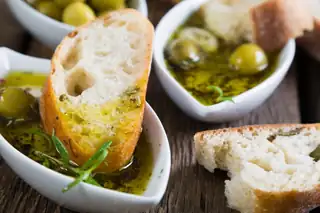
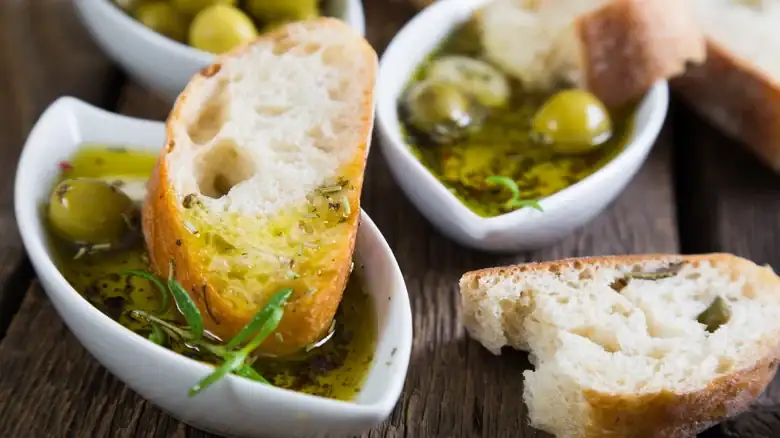
Five ways to give a special touch to oil for dipping bread
Warm, tender bread, bathed in olive oil with herbs, spices or citrus fruits, can become an internationally inspired appetizer.
When preparing oil and bread, it's best to start with a good base. The best oil for dipping bread is extra virgin olive oil, the most natural and flavorful option, especially compared to refined olive oil. As for the bread, there are many possibilities: it simply needs to be fresh and have a soft, spongy crust that absorbs the flavor of the oil well.
A good olive oil can shine on its own, but infusing it with herbs, spices, and aromas takes the experience to another level. Trying regional flavors, from citrus herbs to bold peppers, transforms a simple loaf into an internationally inspired appetizer.
For an Italian touch, you can mix the oil with balsamic vinegar, chopped fresh garlic, dried thyme and oregano, shavings of Parmigiano Reggiano, and a tablespoon of sun-dried tomatoes. If fresh garlic isn't available, use garlic powder, and a pinch of red pepper flakes adds a touch of spice.
Za'atar, a Middle Eastern spice blend, adds an earthy and aromatic touch. While dozens of variations exist, it typically includes thyme, oregano, sumac (a tangy spice made from red berries), sesame seeds, and salt. Served with a squeeze of fresh lemon, it's often enjoyed with crusty sourdough bread, pita bread, or labneh, or spread on flatbread before baking.
Chimichurri is a spicy, green-based Argentinian sauce made with olive oil, red wine vinegar, parsley, oregano, cilantro, garlic, and other seasonings. It can be bought ready-made or made at home. Traditionally, it accompanies grilled meats and vegetables, but it's also great for dipping bread. The red version, which is spicier, includes red bell peppers, chili peppers, and paprika.
Harissa paste, inspired by North African cuisine, offers a smoky, spicy, and earthy combination thanks to its roasted red peppers, chilies, and other seasonings. It's best to use only one tablespoon at a time and mix it well with the oil. A drizzle of honey counteracts the spiciness with its sweetness and balances the flavor.
Although olive oil isn't typically found in sushi or ramen, it can be combined with Japanese flavors. Yuzu, a tart, herbaceous, and floral citrus fruit similar to lemon, is squeezed and its peel grated, then mixed with a drizzle of toasted sesame oil for a nutty note. Freshly grated garlic or ginger also pair well.
Add some Italian flare with a blend of aromatic spices
When you think of olive oil and bread as an appetizer, chances are your mind goes to an Italian dinner (even though bread and olive oil aren't traditionally eaten before dinner in Italy). Regardless of tradition, adding in Italian-inspired ingredients to your olive oil can make for the perfect, savory dish to pair with a glass of Tuscan red. For example, mix in balsamic vinegar, freshly chopped garlic, dried thyme and oregano, a shaving of Parmigiano Reggiano and a spoonful of sun-dried tomatoes to add texture and brightness. If you don't have any fresh garlic on hand, you can substitute for garlic powder. For an extra spicy kick, add a pinch of red pepper flakes to your olive oil mixture for an extra zesty combination.
Sprinkle in za'atar seasoning for a Middle Eastern take
Za'atar is a Middle Eastern spice blend that can add earthiness and aromatics to your olive oil dip. While there are dozens of variations of this blend, it typically includes thyme, oregano, sumac (a tangy spice made of red sumac berries), sesame seeds, and salt. For an extra zing, squeeze fresh lemon on the top, and pair with a crunchy sourdough, a more traditional pita, or even a labneh bread. You can also brush the olive oil and za'atar blend on top of flatbread before baking for a herbaceous boost.
Use chimichurri to mimic a beloved Argentinian sauce
If you haven't tried chimichurri yet, this is your sign to give it a try — the flavorful sauce is a simple way to add bold flavor to your meals. Originating from Argentina, this green, zesty condiment uses olive oil as its base, alongside red wine vinegar, green herbs (parsley, oregano, and cilantro), garlic, and other seasonings. You can buy pre-made chimichurri from the store or mix the unique blend of herbs and spices in olive oil yourself at home. It's traditionally spooned atop grilled meats and vegetables, but who says you can't use it for bread dipping? While green chimichurri is more well-known, you can also make a spicy red chimichurri for your bread, which includes red peppers, chilis, and paprika.
Turn up the heat with harissa
There's always at least one person at the dinner table who adds hot sauce or pepper flakes to everything to amp up the spice level. In the case of olive oil and bread, take inspiration from North African cuisine by adding in spicy harissa paste. It's the perfect blend of smoky, spicy, and earthy, thanks to its mixture of roasted red peppers, chiles, and other seasonings. When adding harissa, just be sure to use a spoonful at a time to not over-do the spiciness, and stir well to combine with the olive oil. A drizzle of honey can also offset the spice with its sweetness and create a balance of flavors that pair beautifully with a hearty bread.
Infuse your olive oil with Japanese-inspired flavors
You won't typically see olive oil on the ingredients list of sushi or ramen, but that doesn't mean that it can't be paired with Japanese flavors for a umami-packed appetizer. Japanese yuzu — a tart, herbaceous and floral citrus fruit akin to a lemon — is a great way to add brightness to the oil. Simply squeeze the juice and grate the zest of your yuzu fruit, and mix in a splash of toasted sesame oil for a layer of nutty flavor. Freshly grated garlic or ginger would also pair well with these aromatic Japanese flavors.







